Emerging risks have unique characteristics that require specialist technical, management and organizational skills. Allianz Commercial risk consulting expertise across different industries and lines of insurance business around the world is key to helping companies understand and mitigate these risks. In our Emerging Risk Trend Talk series, we address topics of growing concern, highlight loss events and look at targeted loss prevention measures.

Emerging risks
Emerging Risk Trend Talk 1
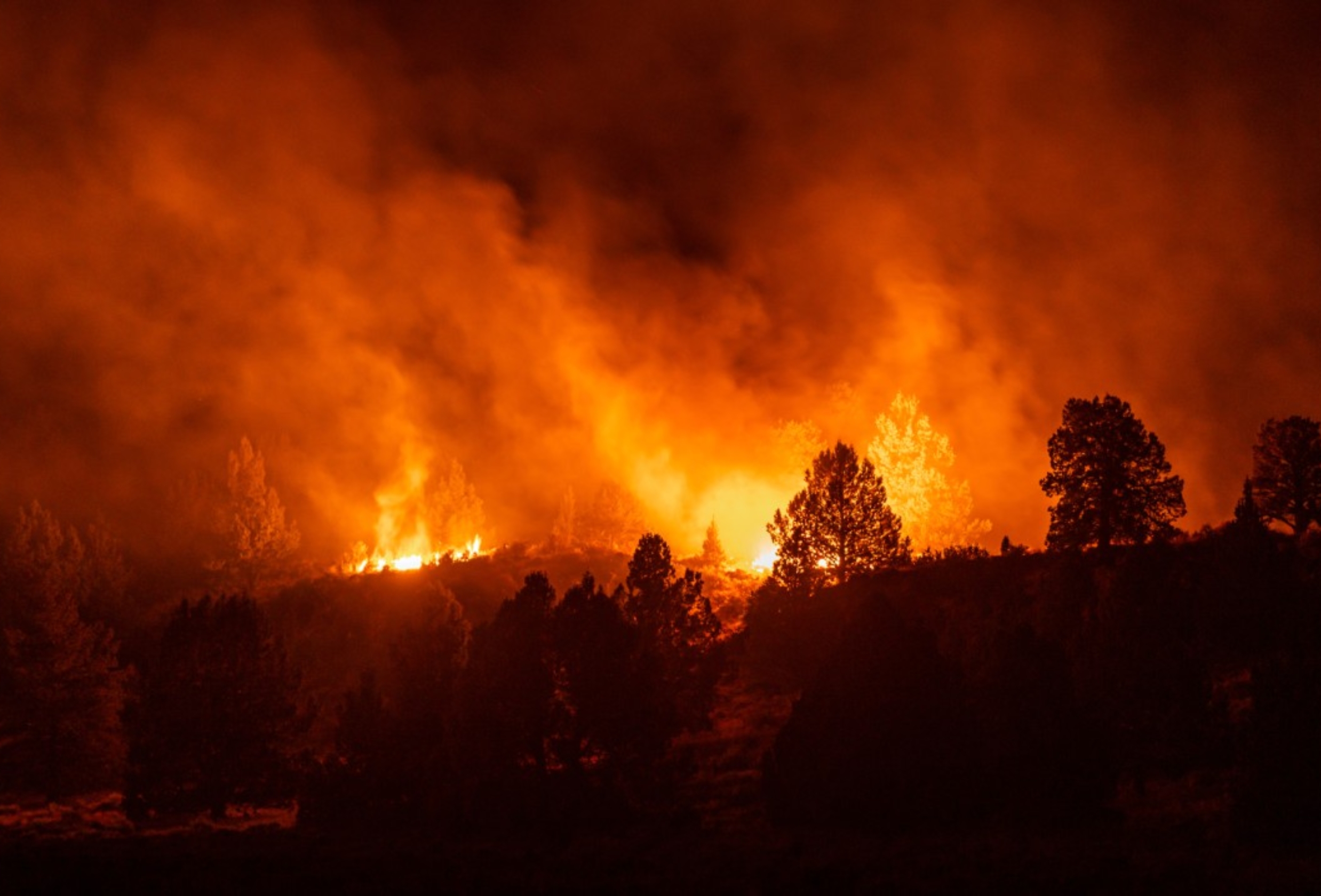
Wildfires
Wildfires are unplanned fires that burn in natural areas such as forests, shrublands and grasslands. Sometimes called bushfires, forest fires or brush fires, wildfires are not controlled or structure fires. They are characterized by their unpredictability and rapid spread through combustible vegetation.
The behavior and severity of wildfires are influenced by various factors such as available fuels, including the amount of vegetation and its moisture content, physical setting and topography, and weather conditions, including temperature, humidity, and wind speed and direction. Climatic cycles, which include wet periods that create substantial fuels, followed by drought and heat, contribute significantly to severe wildfires. These cycles have been exacerbated by climate change increasing the frequency and intensity of wildfires.
Emerging Risk Trend Talk 2
Lithium-ion batteries
A lithium-ion (Li-ion) battery is a type of rechargeable battery used to power a wide range of consumer and electronic goods, as well as electronic vehicles (EVs). They are also widely used in grid-scale energy storage and aerospace applications.
Compared to other rechargeable battery technologies, Li-ion batteries have high energy densities, low self discharge, and no memory effect. They have a Battery Management System (BMS) which can monitor not only the State of Charge (SoC) of the battery but also the conditions of the cells and modules. The BMS acts as a safety back-up if conditions are outside the normal parameters and will shut down the device.

Emerging Risk Trend Talk 3
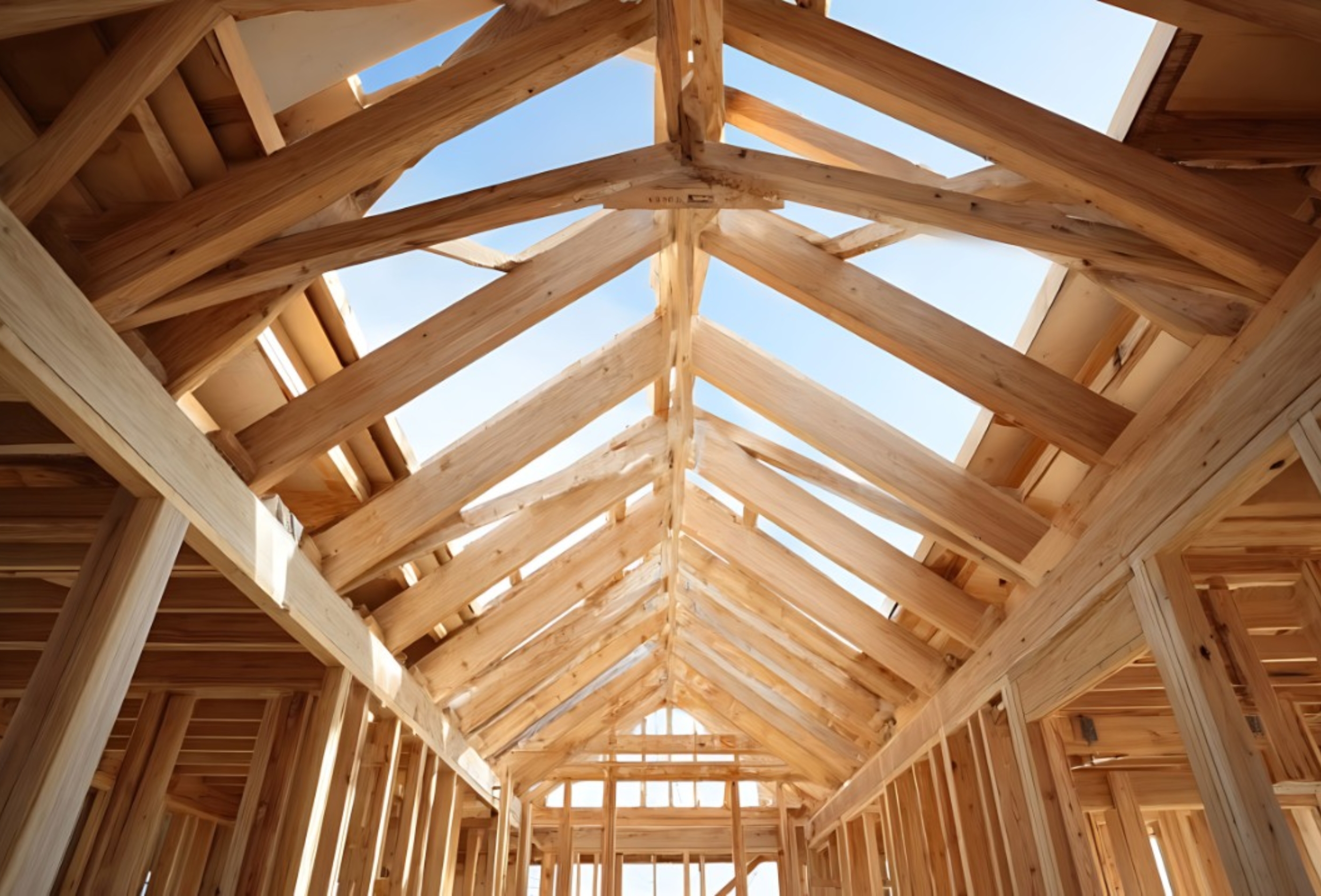
Mass timber
Mass timber is a relatively new type of engineered construction in which the majority of products are comprised of multiple wood pieces laminated (glued with adhesives) or nailed together to form larger, stronger members which can be used for columns, beams, roofs, floors, walls, etc. They are typically built off-site. There are a number of mass timber products that are widely used in the market for a variety of purposes, such as cross laminated timber.
Mass timber construction has been developed to address the limitations of solid sawn heavy timber, which is often not available in large sizes and may not be structurally efficient due to natural defects like knots and checks.
Emerging Risk Trend Talk 4
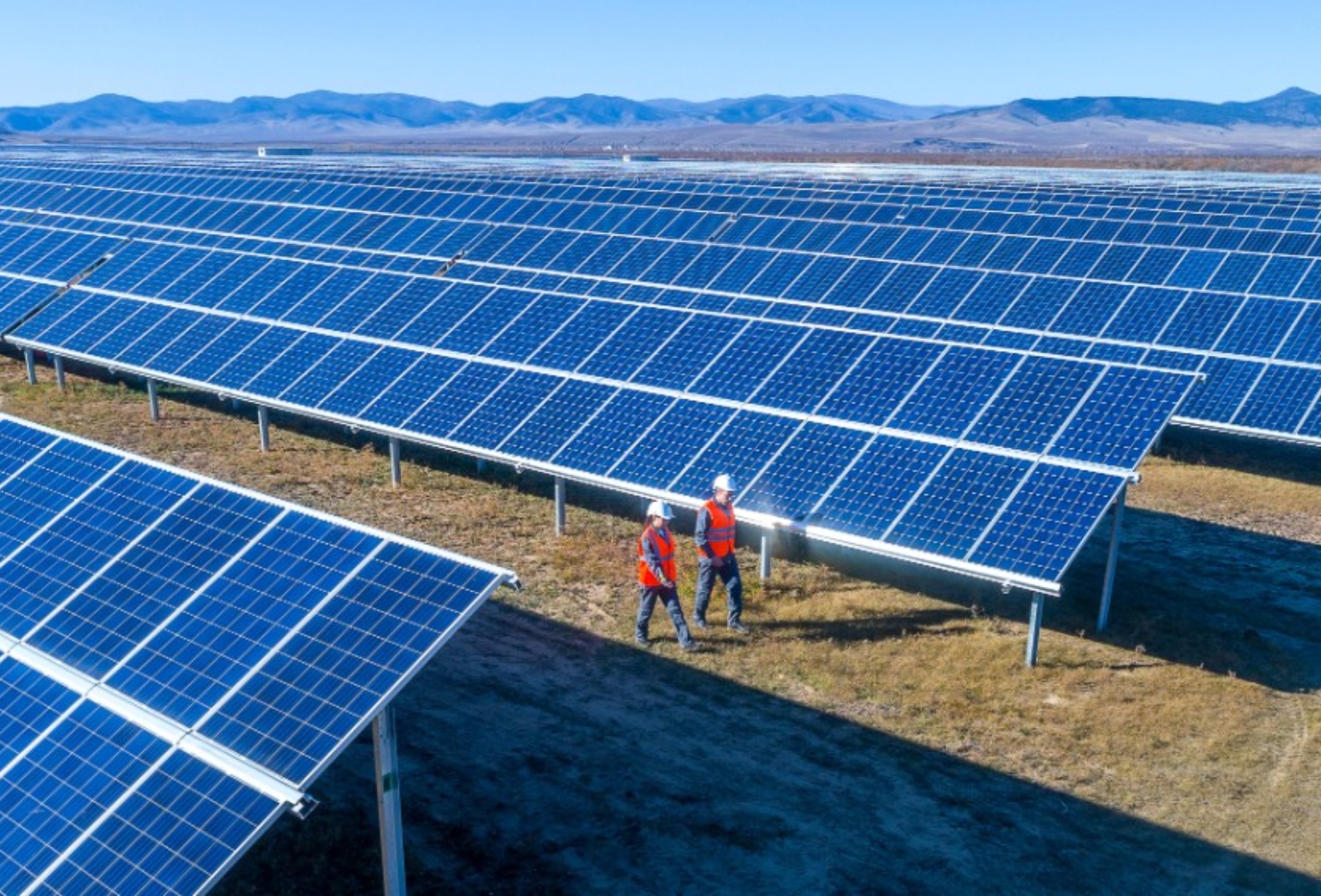
Solar power
In a context of high energy prices and a drive towards low-carbon and renewable energy sources, demand for solar power is rising. Power sector investment in solar photovoltaic – or solar PV – is expected to exceed $500bn in 2024, reports the International Energy Agency (IEA), surpassing all other generation technologies combined. Although growth may moderate slightly, due to the falling prices of PV modules, solar is a leading player in the power sector’s transformation, and solar PV alone is expected to meet roughly half of the growth in global electricity demand to 2025.
This growth has been dominated by China, which installed 57% of the world’s solar in 2023. By 2028, the world could be installing 1TW of solar a year, but financing and energy system flexibility must be unlocked, says the industry association.
Emerging Risk Trend Talk 5
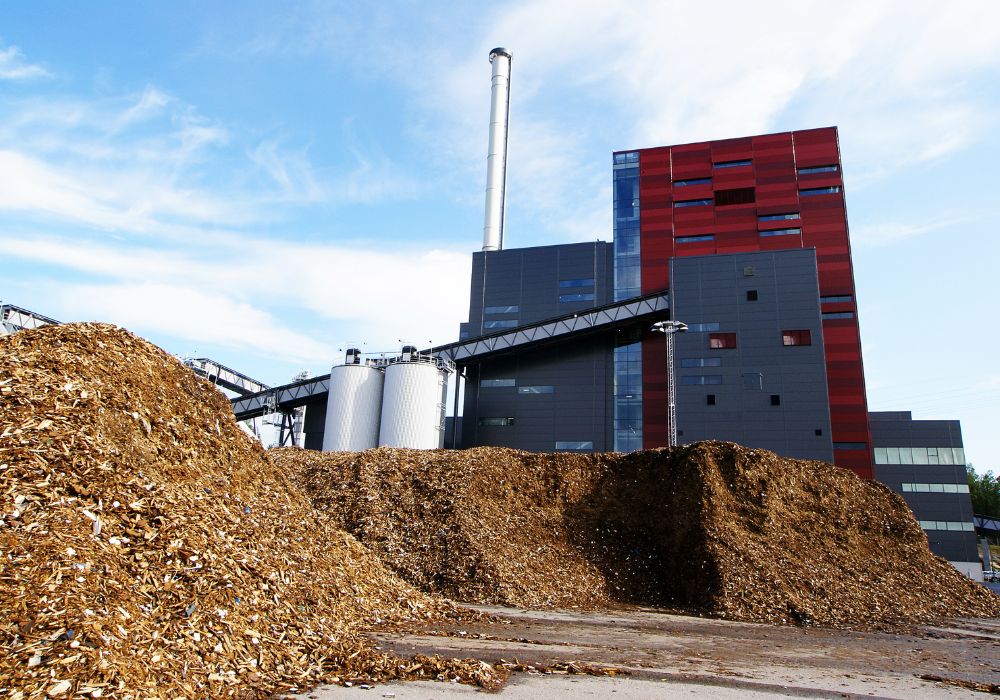
Biomass power plants
Biomass power generation is playing an increasingly important role in the global energy transition. By converting organic materials into heat and electricity, biomass plants offer a renewable alternative to fossil fuels – and, unlike solar or wind, they can provide stable, baseload power around the clock. As a result, they are now a mainstream renewable energy source in Europe, Asia-Pacific, and North America.
As countries seek to improve energy security, reduce their reliance on fossil fuels and meet climate targets, investment in biomass power generation continues to grow. However, growth comes with challenges.