Trends, impacts, and pathways to resilience
Severe convective storms
Commercial Insights | March 2026
A new report from Allianz Commercial sheds light on the growing threat of severe convective storms (SCS), which have become a significant annual loss driver for the insurance industry.
- Severe convective storms (SCS) have risen to prominence on the risk management agenda, with losses exceeding long-term averages. Over the past three years alone, global insured losses from SCS have totaled $208bn (adjusted to today’s dollars).
- Several factors are amplifying the risk, including urbanization, aging infrastructure, inflationary pressures, outdated building codes, supply chain disruptions, and the degradation of ecosystems.
- Hailstorms are a major driver of insurance claims from SCS, with damage to aircraft and solar panels among the costliest in recent years. Industries such as pharmaceuticals, cosmetics, and automotive manufacturing have also experienced significant losses due to severe hail events.
- Artificial intelligence is transforming natural hazard modeling, enabling more precise, evidence-based resilience strategies that adapt to evolving weather patterns.
Whether it’s devastating winds, tornadoes, or hailstones damaging manufacturing and production sites, severe convective storms can strike with little warning, causing localized destruction that belies their classification as a “secondary peril.” In recent years, cumulative losses from SCS have even surpassed those from hurricanes, traditionally considered a primary peril. This shift underscores the need for businesses to strengthen their operational resilience to withstand the increasing frequency and severity of such events.
While climate change may contribute to rising losses, the expanding exposure landscape is driven by other global trends. Urbanization, development in hazard-prone areas, and aging infrastructure are intensifying the impacts of SCS, while inflation, supply chain challenges, and workforce shortages are adding to the financial strain.
Risk analysts and climate experts at Allianz Commercial can support clients as they build resilience, using the latest modeling technology to generate granular assessments of vulnerability, including our data-driven platform, Climate Adaptation and Resilience Services (CAReS), which enables clients to assess their exposure to 12 climate perils over different timeframes, including hail.
In the report, Allianz Commercial experts identify the key risk trends associated with SCS, pinpoint notable events around the world, and provide an Allianz Commercial claims analysis on hail – which accounts for as much as 50%-80% of all SCS losses globally. They also explore the economic impact of SCS and highlight preparedness strategies, including seven steps to build resilience, and how AI is reshaping the way insurers and businesses understand, anticipate, and mitigate the impacts of SCS.
The many faces of severe convective storms
Several weather patterns can characterize a severe convective storm (SCS) and all of them are capable of wreaking significant damage or disruption.
Straight-line winds
These powerful winds are not associated with rotation (unlike tornadoes) but they can reach speeds of 160kph (100mph) and produce a damage path that extends for hundreds of miles. They can fell trees, damage buildings, and bring down powerlines. Straight-line winds can be further broken down into short-lived microbursts, larger macrobursts, and derechos, which are widespread, long-lived windstorms.
Tornadoes
A tornado is a violently rotating column of air capable of producing wind speeds exceeding 400kph (250mph) and causing widespread devastation. Tornadoes can cause fatalities and property damage, uproot trees, and propel debris. Characterized by sudden onset and unpredictable paths, strong tornadoes can produce a damage pathway up to 1.6km (1 mile) wide and over 160km (100 miles) long.
Hail
Hailstones vary in size from small pellets to stones the size of grapefruits. Small hailstones cause little or no damage, while medium-sized hailstones can harm crops, fruit, and glass. The accumulation of smaller hailstones can cause roof or building collapse if building designs cannot withstand the extra load. Larger hailstones can break roofing materials and damage vehicles, and extremely large hail can inflict severe structural damage.
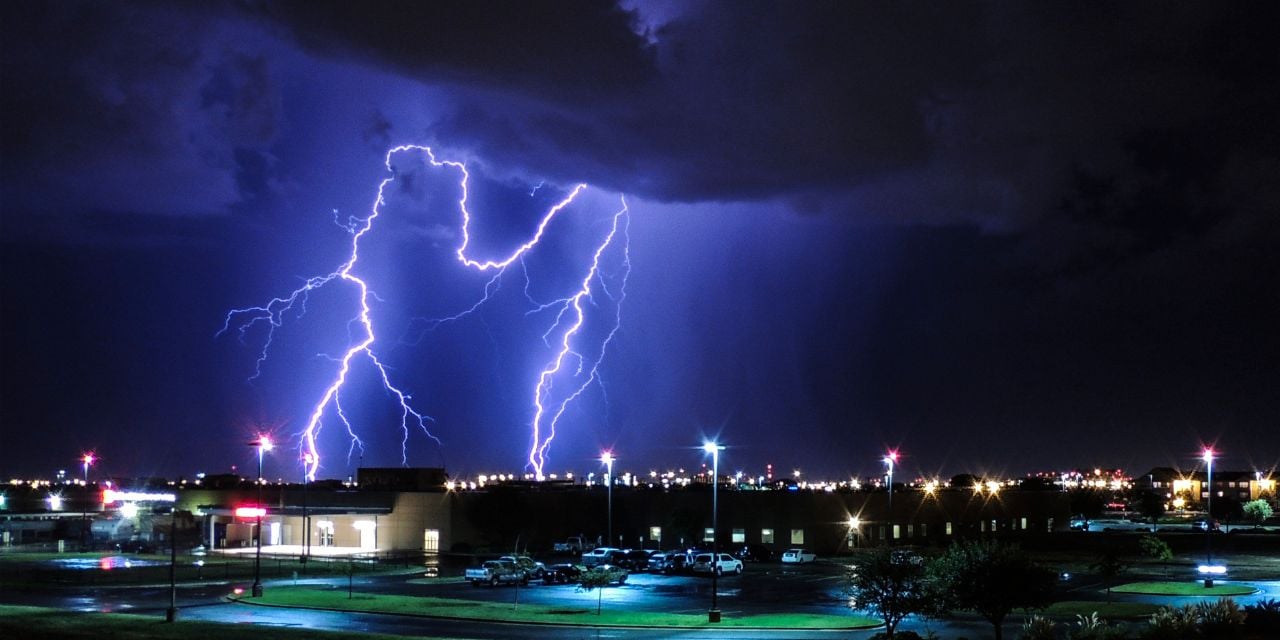
Additional consequences: Hail and tornadoes are the most destructive elements of SCS, but additional consequences include thunderstorms, lightning strikes, heavy rainfall, and flash flooding.
Hailstorm insurance claims analysis
Top 6 damaged assets / property according to value of claims, expressed as % (2016-2025)
Damage to aircraft is the most expensive cause of hailstorm claims, accounting for 16% of the value of claims analyzed. Solar panel damage drives costly claims, while vehicle damage is a leader in claims frequency.
Top 6 loss locations according to value of claims, expressed in % (2016-2025)
The USA accounts for almost half of the value of hailstorm claims analyzed. Collectively, the top six loss locations account for close to 90% of the hailstorm claims analyzed in the dataset.
Top 6 industries impacted by hail damage according to value of claims, expressed in % (2016-2025)
The pharmaceuticals / cosmetics, aviation, and automotive industries are among those which have been impacted by significant damage events.
Based on analysis of 3,013 claims with a total value of approximately €2.2bn (based on the 100% loss event total, including the shares of other insurers in addition to Allianz Commercial). Analyzed claims in the dataset are from January 1, 2016 to December 31, 2025. Source: Allianz Commercial.
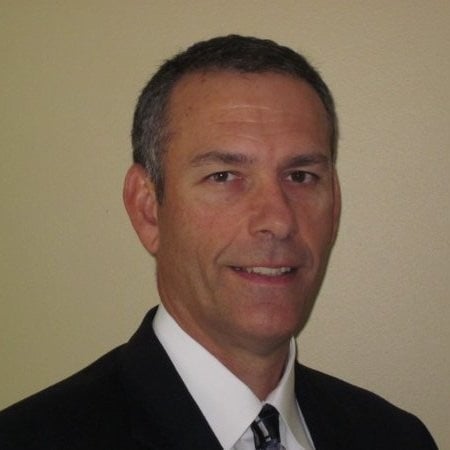
“Our claims data tells a clear story: hail-related losses are not only growing in frequency but also shifting in character,” says Nikolaus Breitenberger, Global Head of Claims Intelligence and Core Business Solutions, Risk Consulting, Allianz Commercial. “What was once considered routine property damage now increasingly involves high-value assets, from aircraft fleets to solar installations, driving claim severity to levels that demand a fundamentally different response. At Allianz Commercial, we are leveraging advanced claims intelligence and AI-driven analytics to identify emerging loss patterns earlier, enabling our clients and underwriters to move from reactive loss management to proactive, evidence-based resilience strategies that keep pace with a rapidly evolving risk landscape.”
Photo: Adobe Stock
Our experts
Allianz Commercial's Risk Consulting experts around the world provided their insights and knowledge to this report.


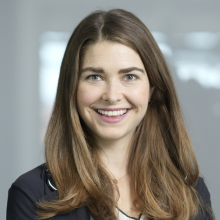

Nikolaus Breitenberger
Global Head of Claims Intelligence and Core Business Solutions, Risk Consulting