Top risk trends and exposures for board of management

Directors and Officers (D&O) insurance insights
Report | December 2025
Senior managers are having to carefully navigate a challenging environment as they head into 2026. Geopolitical and global macroeconomic uncertainty, together with developing areas of risk like artificial intelligence (AI), cyber and even so-called forever chemicals, are elevating liability for directors and officers (D&Os) at both public and private companies.
Uncertainty in the global geopolitical environment – implications for D&Os
Geopolitics has climbed up the corporate agenda, becoming a top priority for boards. Around the world, political, economic and social uncertainties can impact every aspect of a company’s operations, as well as lead to potentially significant changes in financial, regulatory, and legal environments. Moreover, a climate of armed conflicts, cyber-attacks, trade disputes, and economic realignments can increase economic fragility and potentially undermine trust in institutions and data. The result – members of boards of directors and company officers are having to navigate their organizations through incredibly complex risk scenarios that did not exist a few years ago.
Shocks such as conflicts, political instability and trade barriers create wavelike effects across industries. Ongoing geopolitical instabilities expose companies and their management to an array of complicated operational, financial and reputational challenges, which can have enormous potential to result in corporate and securities litigation. For example, companies may face increased scrutiny for non-compliance with international sanctions regimes or a failure to observe changes to legal and regulatory frameworks in the different territories of their operations. Directors and officers (D&Os) can be held accountable for misjudging the impact of geopolitical developments on their company’s operations or failing to control and adequately adapt to the legal or regulatory requirements in different countries. Liability for D&Os may arise from shareholder lawsuits or regulatory penalties directed both against the entity and individual decision-makers.
Geopolitical intelligence and business impact analysis need to become integral parts of organizational risk management and strategic decision-making, as well as supply chain and cyber risk management. Systematic monitoring of global hotspots and scenario-based planning are essential.

Cyber emerging as a major cause of claims against D&Os
Cyber-related D&O liability risks have risen sharply in recent years with higher expectations for board-level oversight of cyber security and a trend toward more litigation and regulatory actions. Cyber is now an increasing cause of claims against directors, resulting from incidents such as data breaches, ransomware attacks and even technical glitches and operational errors.
Cyber exposures for D&Os typically arise from their duty to oversee the organization’s cyber security posture. Should a cyber incident result in financial loss, directors could potentially face legal claims from shareholders, customers or suppliers (and in some cases, from the company itself) if the board is perceived to have failed to implement adequate cyber risk controls or business continuity plans. Directors could also conceivably face shareholder litigation for a lack of cyber insurance coverage. And while they might not be at fault, they can still face significant defense and investigation costs.
Willingness to seek damages in court is increasing, partly out of fear of recourse claims by shareholders or supervisory authorities. The threshold for asserting internal liability is falling while the number of cyber-attacks with a systemic impact has increased. At the same time, companies and their directors also face an evolving regulatory environment. In addition to comprehensive data privacy laws, policymakers have been turning their attentions to operational cyber resilience. In Europe, the Network and Information Security directive (NIS2) is extending robust cyber security and reporting standards to more companies and their supply chains – failure to comply can result in fines of up to €10mn or 2% of global turnover. It also increases the personal accountability for D&Os, who will be directly responsible for overseeing cyber security, risk management and incident response preparedness. If companies and their directors invest in cyber security, have a solid business continuity plan and robust data privacy controls, they are less likely to face litigation or regulatory action.

AI sparking shareholder actions
Rapid developments in artificial intelligence (AI) are generating huge potential opportunities for companies, with the global market predicted to reach almost $5trn by 2033 – a 25-fold increase in just a decade. However, they also have the potential to drive significant D&O liability in the future.
AI has the potential to trigger D&O claims through securities class action lawsuits and regulatory enforcement actions, which can focus on performance issues at AI companies, AI -washing allegations, as well as the understating of AI-related risks. There has been a significant uptick in AI-related filings during the first half of 2025, with more than 50 lawsuits filed in the past five years.
Forever chemicals and other emerging risks
First developed in the 1940s, per- and polyfluoroalkyl substances (PFAS) have since been used for a wide range of industrial and consumer products, from food packaging to firefighting foams. But these so-called forever chemicals have also been linked to serious health issues. Recent years have seen mounting litigation, much of it stemming from environmental contamination and product safety concerns (mostly in the US, although there have also been civil proceedings in Europe, Canada and Australia). It has been predicted that PFAS water contamination and environmental litigation could eventually cost in excess of US$100bn in the US alone, depending on how regulatory and legal trends evolve.
From a D&O perspective, PFAS-related liability is a potential source of claims, namely through corporate and securities litigation. Like other event-driven D&O losses, there have been cases where shareholders alleged that the directors failed to identify potential PFAS liability exposures and did not adequately disclose those risks to investors. If the stock price drops, investors may point the finger at D&Os, alleging this was a risk they should have been aware of and disclosed. Such issues highlight the need for boards to be more forward-thinking when identifying and disclosing emerging risks – directors need to seek guidance when it comes to disclosure, as this is where they can be vulnerable.
Private companies: trade risks challenge D&Os
Bankruptcy and regulatory enforcement actions are among the top sources of private D&O claims, although claims can also arise for breach of fiduciary duty, such as misleading or inadequate disclosure, or negligence. The current challenging business environment – marked by factors such as tariffs, weak demand, rising costs and technological transformation – is heightening the risks of such claims against directors of private companies.
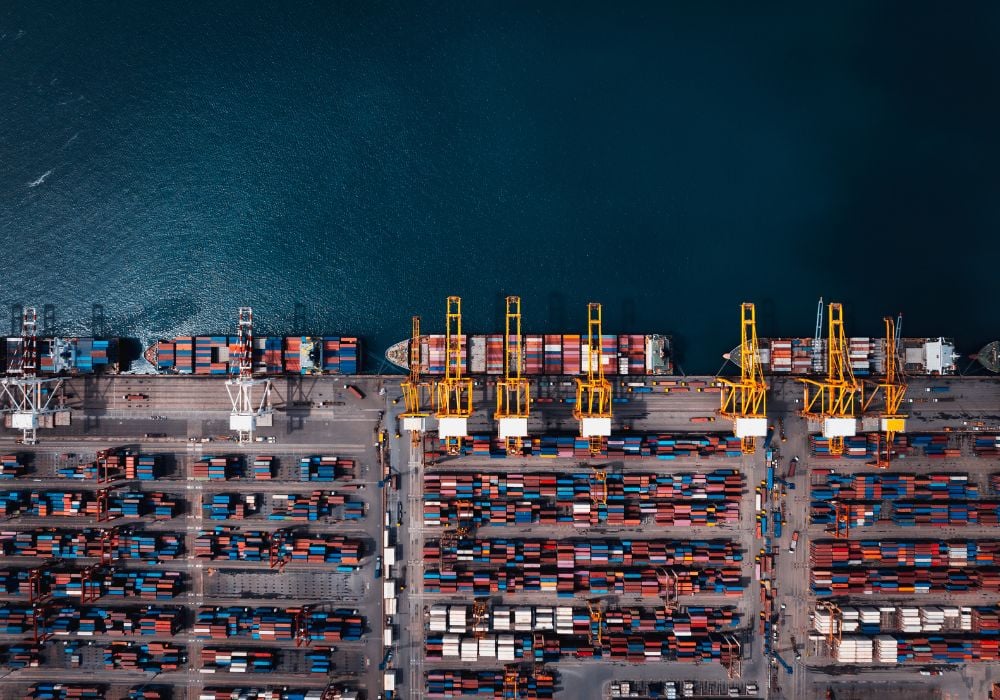
Much like publicly traded companies, one of the hottest topics for private D&O liability is the uncertain geopolitical landscape, in particular the far-reaching impact of US tariffs on business and the wider economy. From a D&O liability perspective, trade tariffs can bring an additional risk of regulatory investigation and enforcement actions, and litigation. Shareholders may allege that D&Os breached their fiduciary duties by not taking adequate precautionary measures or not sufficiently adapting to changing conditions. In addition, consumer class actions could arise if a company is perceived to have misrepresented tariff impacts in marketing or passed on costs in allegedly deceptive or unfair ways.
Compliance is another challenging area. Companies and their directors could potentially face investigations and enforcement action from their regulators or customs authorities or civil litigants for allegations of tariff evasion or misleading disclosures.
For D&Os, mitigating tariff-related risks comes down to robust governance and staying informed about the evolving political and trade landscape. Scenario planning and risk assessments focusing on potential tariff outcomes and supply chain dependencies can help boards anticipate potential financial and operational implications, as well as support timely and accurate disclosure.
Elevated bankruptcy risk
Global business insolvencies are expected to rise by +6% in 2025 and +5% in 2026, Allianz Trade forecasts. Next year will thus mark five consecutive years of increases to reach a record high number of bankruptcies, +24% above the pre-pandemic average. There has also been a notable rise in “mega bankruptcies” in the US – those filed by companies with over US$1bn in reported assets.
D&Os’ liabilities are heightened during and following bankruptcy proceedings. The conduct of directors during the period a company approaches insolvency will fall under closer scrutiny by stakeholders once bankruptcy is declared. This is true whether the insolvent company is large or small, or public or private. Even the suggestion that a business may be in financial distress can increase the risk of litigation as lenders, investors and other parties look to protect their interests.
Bankruptcy filings or insolvency are not always certain to result in D&O claims but when they do they can be costly, In the event of a company failure, creditors and bankruptcy trustees may look to recover funds by targeting D&Os, exposing them to potentially large defense costs. It is important that directors understand their expanded fiduciary duties in the event of insolvency, seek expert advice and keep detailed records of all key decisions and supporting information. Such information will prove critical if D&Os face claims of mismanagement or allegations of conflicts of interest.
Claims activity
Ultimately, D&O liability continues to develop at a quick pace. Against this backdrop, over the past three years there has been a continual increase in the frequency of new claims against D&Os, now approaching or exceeding pre-pandemic rates in most regions of the world. Claims severity continues to be an issue in North America in particular.
Photo: Adobe Stock