
Press release | March 31, 2026
Hailstorms drive record insured damages from severe convective storms as losses increasingly involve high-value assets
- The frequency and intensity of severe convective storm (SCS) events have increased significantly leading to insured losses in billions of US dollars globally.
- Damage to aircraft, buildings, manufacturing plants, and renewable power generation, including solar panels, are among the most expensive drivers of hail claims, Allianz Commercial analysis shows.
- SCS events are unpredictable, but risks can be mitigated with a combination of traditional resilience measures and artificial intelligence (AI) solutions.
Unlike hurricanes, SCS events can strike with little or no warning, unleashing significant localized damage and triggering knock-on effects such as flash flooding. These unpredictable events have emerged as a major annual loss driver for the insurance industry, accounting for nearly half of all insured natural catastrophe losses last year, totaling over US$60bn. Between 2023 and 2025, losses even accumulated to a total in excess of $200bn, according to Gallagher Re. The US is the number one SCS hotspot, accounting for more than 80% of the value of insured losses globally. This trend is reflected in the latest Allianz Risk Barometer where natural catastrophes ranked #5, remaining a consistent presence in the annual business risk ranking.
While tornadoes often dominate the headlines, the most significant SCS losses are caused by hailstorms, which are estimated to account for as much as 50%-80% of all losses. Again, the US is the global hotspot for these events, as well as the top loss location for hail claims, but Allianz Commercial analysis shows many other regions have also suffered substantial hailstorm damages. Building resilience against this peril is therefore not a nice-to-have, but needs to be on the agenda of every company with exposed assets in high-risk areas. But addressing this peril requires more than traditional scenario planning. New approaches leveraging AI are able to identify physical vulnerabilities in advance, enabling proactive risk mitigation to build resilience.
Thomas Lillelund, CEO of Allianz Commercial, comments: “Severe convective storms are still often viewed as a ‘secondary peril’, yet their cumulative losses now rival – and at times exceed – those of primary perils like hurricanes. This reality highlights the urgent need for businesses to reassess their risk exposure and strengthen operational resilience through proactive, locally informed measures that limit both physical damage and disruption.”
Losses from severe convective storms fueled by inflation and expanding footprints
SCS exposures have been intensified by population growth and development into hazard-prone areas. Rapid urbanization, aging infrastructure and assets, and building codes out of step with current exposures can all heighten the risk and value of losses. The limited spatial footprint and brief duration of SCS belie their capacity for concentrated destruction, particularly in densely populated regions, making them an increasingly important driver of economic and insured losses. After hail, damaging winds are the second major loss driver, mainly tornadoes and derechos. Severe hailstorms primarily impact buildings – especially roofs – and all kinds of vehicles, which are major drivers of expensive insurance claims. The damage to physical assets from hailstones can be extensive. A baseball-sized hailstone can carry the same kinetic energy as a Major League ‘fastball’, reaching speeds of up to 100mph (160kph) or more. Hail-related losses are not only growing in frequency but also shifting in character. What was once considered routine property damage now increasingly involves high-value assets, from aircraft fleets to solar installations, driving claim severity to levels that demand a fundamentally different response, Allianz Commercial analysis shows.
Inflation has driven up the costs of rebuilding and repairing property, an increase that is compounded by supply chain disruptions such as shortages in skilled labor and materials. A clear example of inflation’s effect can be seen in the case of roof replacements, which are a significant factor in insured losses from SCS. Since the year 2000, the cost of asphalt roof replacements has reportedly surged by 250% in some regions, with costs rising 45% in the last five years alone, according to Willis Re.
Risk mitigation a pressing priority for businesses
Mitigation measures for withstanding SCS with minimal damage will vary depending on the nature of a business’s activities and the local weather systems it is subject to. A data center in Tornado Alley in the central US will need different resilience strategies than an automotive dealership in hail-prone northern Spain. Scenario analysis is essential for assessing risk exposure and building resilience to climate perils. Instead of reacting to losses after a major storm, organizations can now use AI-supported insights to identify weak points in roofs, facades or critical equipment and prioritize upgrades that minimize future damage. This helps organizations understand how different climate futures could affect their assets, operations, and long-term performance. Scenario analysis can also reveal hidden vulnerabilities, identify possible tipping points, and show how risks may change over time. This forward-looking approach strengthens decision-making by allowing organizations to test adaptation options, focus investments, and design strategies that remain effective under multiple future conditions.
“Traditional catastrophe models have long struggled to capture property-specific risk factors, such as roof type and asset value, or the cumulative effects of hazards like hail on building envelopes. As AI becomes embedded in core risk processes, its most meaningful benefit for customers is its ability to support smarter, evidence-based resilience strategies that adapt to changing weather patterns, rather than relying on historical norms. A data and AI-driven risk management approach is the future and will be essential for organizations aiming to thrive in an increasingly volatile climate environment,” explains Michael Bruch, Global Head of Risk Advisory Consulting Services at Allianz Commercial.
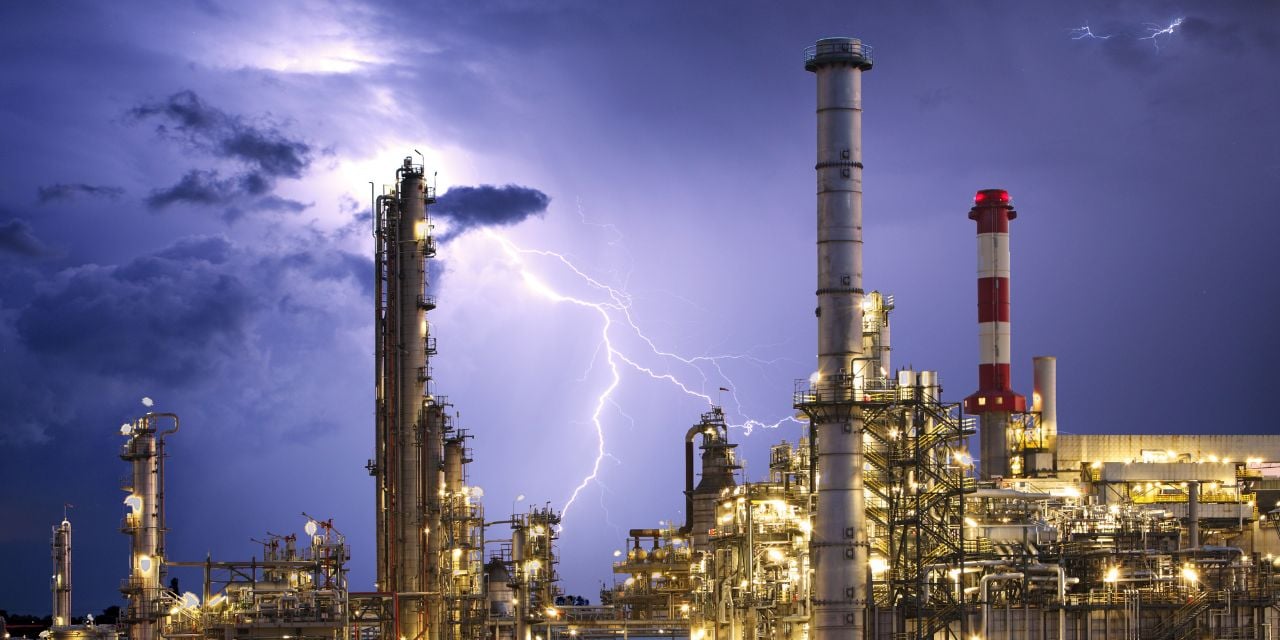
Photo: Adobe Stock
Press contacts




Andrej Kornienko
Regional Head of Communications
Germany & Switzerland
Germany & Switzerland
Ailsa Sayers
Regional Head of Communications & Marketing
United Kingdom
United Kingdom

About Allianz Commercial
Allianz Commercial is the center of expertise and global line of Allianz Group for insuring mid-sized businesses, large enterprises and specialist risks. Among our customers are the world’s largest consumer brands, financial institutions and industry players, the global aviation and shipping industry, as well as family-owned and medium enterprises, which are the backbone of the economy. We also cover unique risks such as offshore wind parks, infrastructure projects or film productions.
Powered by the employees, financial strength, and network of the world’s #1 insurance brand Allianz, as ranked by Interbrand, we work together to help our customers prepare for what’s ahead: They trust us to provide a wide range of traditional and alternative risk transfer solutions, outstanding risk consulting and multinational services as well as seamless claims handling.
The trade name Allianz Commercial brings together the large corporate insurance business of Allianz Global Corporate & Specialty (AGCS) and the commercial insurance business of national Allianz Property & Casualty entities serving mid-sized companies. We are present in over 200 countries and territories either though our own teams or the Allianz Group network and partners. In 2025, the integrated business of Allianz Commercial generated around €17,3 billion in gross premium globally.
Forward looking statement disclaimer
As with all content published on this site, these statements are subject to our Forward Looking Statement disclaimer:
All the latest news, reports and hot topics



Sign up to the newsletter
Keep up to date on all news and insights from Allianz Commercial