
Press release | December 5, 2024

Key risk trends for Directors and Officers in 2025: insolvencies, geopolitical tension and "AI washing": Allianz
- Increasing global insolvency levels heighten risks for executives.
- The febrile geopolitical landscape poses liability challenges for global corporations caught up in world events.
- "AI washing" is an emerging risk trend, leading to securities class action lawsuits.
- D&O market remains competitive but a step up in scrutiny of corporate conduct around the globe means loss potential is still high.
Directors and Officers (D&Os) have been operating in a highly complex environment throughout 2024, and further volatility can be expected during 2025. Executives face multiple exposures in an increasingly interconnected business world, confronted with risks arising from business insolvencies, geopolitical upheaval, climate change, digital transformation, economic uncertainty, shifts in public opinion, and an evolving legal landscape. These are the latest key risk trends in the D&O insurance space, as identified by Allianz Commercial’s annual Directors and Officers Insurance Insights report.
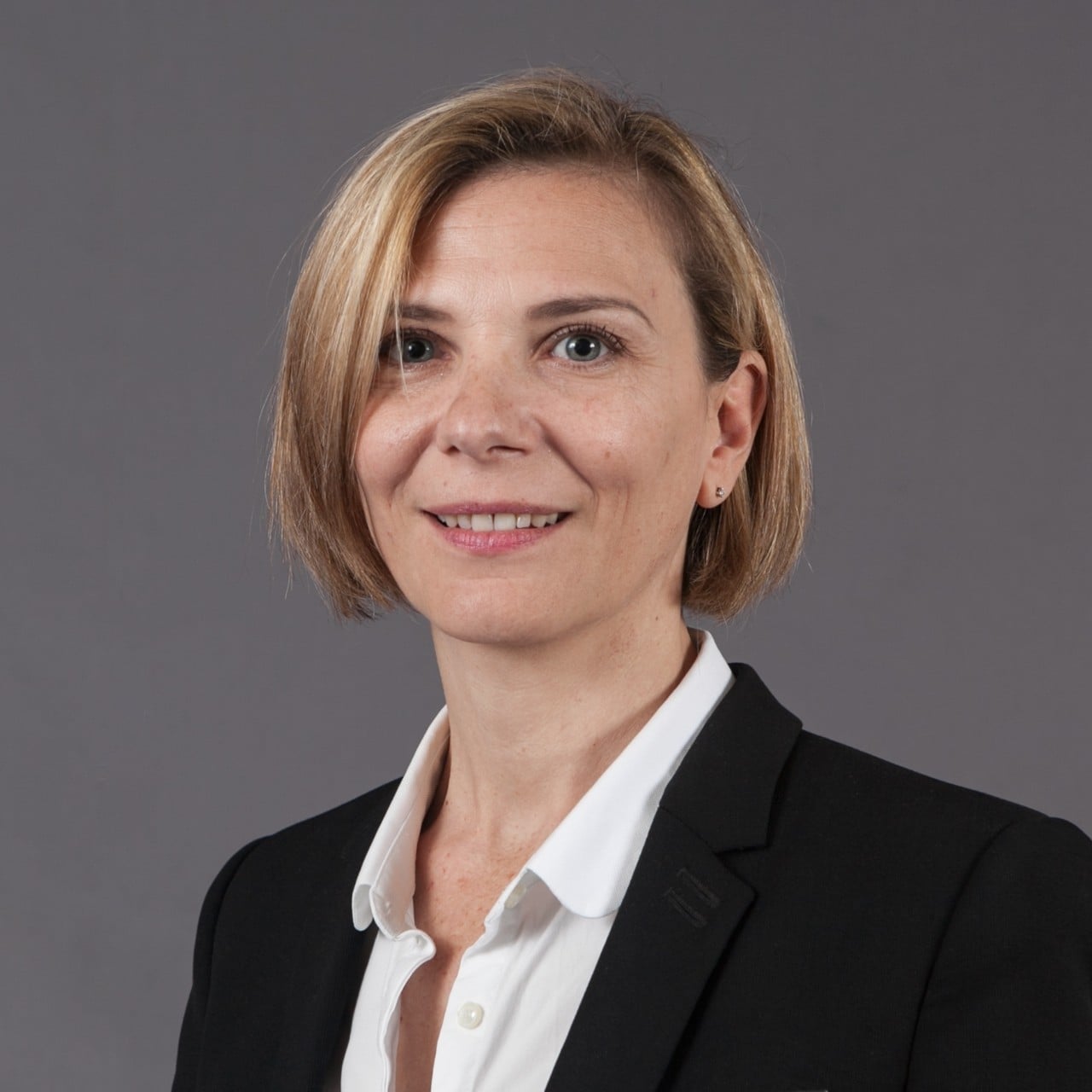
“The D&O insurance market has remained competitive for buyers over the past year, but loss potential is still high,” says Vanessa Maxwell, Chief Underwriting Officer, Allianz Commercial. “The global rise in business insolvencies is a particular focus of concern, with companies and leaders exposed to potential claims from lenders seeking to recover funds, or from shareholders who allege breach of fiduciary duty. At the same time, the litigation landscape and enforcement are increasingly stringent, and we are seeing regulatory bodies across the globe step up scrutiny of corporate conduct, making D&Os more vulnerable to investigations, penalties and lawsuits.”
Insolvencies as an emerging D&O risk
Global business insolvencies for 2024 are expected to rise by +11%, and countries accounting for more than half of global GDP will be hit by double-digit insolvency increases in 2024, according to Allianz Trade. Major insolvencies already increased by +26% year-on-year for the first three quarters of 2024 (344 cases). Western Europe leads the global count with 195 cases, a reflection of the region’s current economic instability, followed by Asia-Pacific (67 cases) and North America (66 cases). Rising bankruptcies typically lead to an increase in D&O claims, so this trend is a reminder to business leaders of the need to respond and adapt to the challenging environment.
“Many companies have faced higher interest expenses, inflationary pressures, and macro- and microeconomic headwinds that have impacted their business and resulted in a struggle to service their debt load,” says Dan Holloway, Head of Global Management Liability Commercial at Allianz Commercial. “Some sectors are particularly exposed, including real estate, construction, hospitality, tourism, and businesses in ‘consumer discretionary’, or non-essential purchases.”
Turbulent geopolitical environment and stringent litigation landscape
With war in Ukraine and the Middle East, the geopolitical landscape presents liability challenges to businesses as they find themselves caught up in world events with potentially significant consequences for their operations. Upheaval can lead to supply chain disruption, business interruption, and legal and regulatory scrutiny. Companies can face scrutiny for non-compliance with international sanctions, or for failing to adequately manage risks related to politically unstable regions. D&Os can be held accountable for misjudging the impact of geopolitical developments on their company’s operations, leading to shareholder lawsuits or regulatory penalties.
At the same time, the litigation landscape and enforcement are increasingly stringent, with securities class actions proliferating not only in the US, but also in Europe (+10% year-on-year) and Australia (+43%).
“D&Os need to update their knowledge around geopolitical and regulatory changes more regularly than ever before,” says Jarrod Schlesinger, Global Head of Financial Lines and Cyber at Allianz Commercial. “A once-a-year review is no longer sufficient in the volatile era businesses are now operating in. These trends are driving the need for D&O policies that are responsive to multi-jurisdictional risks and can provide local coverage for legal defense costs, settlements and other liabilities.”
"AI washing" – the new "greenwashing"?
The transformative potential of artificial intelligence (AI) is huge, but it also means companies must adapt quickly to potential exposures around disclosure, regulation, shareholder scrutiny and litigation. AI-related litigation is increasing and exaggerated claims about firms’ technological capabilities – a trend known as "AI washing" – could lead to securities class action lawsuits and enforcement actions.
Class action lawsuits have already been filed in the US, but the risk extends beyond North America, as any company that has its stock listed on a US exchange is subject to US securities law.
Third-party litigation funding a growing exposure
The global litigation funding industry is projected to grow rapidly in the coming years –by almost 10% CAGR up to 2028 – widening access to justice, but also potentially driving up the number of class actions and settlement costs and damages, as also highlighted in Allianz Commercial’s Five Liability Loss Trends To Watch report. And it is not only confined to the US – third-party litigation funding is also established in the UK, Netherlands, Germany, and Australia.
“D&Os will face increasing scrutiny from third parties ready to jump on cases and fund them. Claims are likely to become more complex because of funders’ aggressive litigation strategies and the experts they can afford to hire,” says Schlesinger. “Plaintiffs with little to lose financially could be tempted to make baseless claims. Even if the case doesn’t have legs, directors still have to defend it.”
Press contacts




About Allianz Commercial
Allianz Commercial is the center of expertise and global line of Allianz Group for insuring mid-sized businesses, large enterprises and specialist risks. Among our customers are the world’s largest consumer brands, financial institutions and industry players, the global aviation and shipping industry, as well as family-owned and medium enterprises, which are the backbone of the economy. We also cover unique risks such as offshore wind parks, infrastructure projects or film productions.
Powered by the employees, financial strength, and network of the world’s #1 insurance brand Allianz, as ranked by Interbrand, we work together to help our customers prepare for what’s ahead: They trust us to provide a wide range of traditional and alternative risk transfer solutions, outstanding risk consulting and multinational services as well as seamless claims handling.
The trade name Allianz Commercial brings together the large corporate insurance business of Allianz Global Corporate & Specialty (AGCS) and the commercial insurance business of national Allianz Property & Casualty entities serving mid-sized companies. We are present in over 200 countries and territories either though our own teams or the Allianz Group network and partners. In 2025, the integrated business of Allianz Commercial generated around €17,3 billion in gross premium globally.
Forward looking statement disclaimer
As with all content published on this site, these statements are subject to our Forward Looking Statement disclaimer:
All the latest news, reports and hot topics










Sign up to the newsletter
Keep up to date on all news and insights from Allianz Commercial