
Report | June 2026

Safety and Shipping Review 2026
Allianz Commercial’s annual Safety and Shipping Review identifies loss trends and highlights a number of risk challenges for the maritime sector.
Shipping incidents and loss developments
Given that 90% of international trade is transported across oceans, maritime safety is critical, and the shipping industry has made significant improvements in recent years.
Around the world, the number of reported shipping incidents on vessels over 100GT declined over the past year by around 16% (2,818 in 2025 compared to 3,353 in 2024). The East Mediterranean and Black Sea region saw the highest number of reported incidents (622), followed by the British Isles (619), which is also the location of the most incidents over the past decade.
Machinery damage or failure was the major cause of all shipping incidents globally during the past year, accounting for over half (1,505), followed by vessel collision (260) and fire / explosion (218), which remains a major concern on vessels. Machinery damage being the main cause of shipping incidents is significant as machinery claims inflation has not yet returned to pre-Covid-19 levels, with repair costs having continued to rise, a trend which could be exacerbated by the recent conflict in the Middle East.
The review’s latest analysis shows that there have been more than 900 total losses reported over the past decade (905 vessels over 100GT).
Between 2016 and the end of 2020, there were 555, an average of 111 per year. This number declined to 350 between 2021 and the end of 2025, an average of 70 (37% down on the previous five-year period), reflecting the positive effect of an increased focus on safety measures over time, such as regulation, improved ship design and technology and risk management advances. Forty-three total losses have been reported to date for 2025, with more than 30 of these vessels over 500GT in size.
The South China, Indochina, Indonesia and the Philippines region is the main loss hotspot globally over the past year, and the past decade (255). A huge volume of imports and exports flow through the region, resulting in high levels of shipping traffic, which is reflected in the number of incidents.
Despite the long-term improvement in the industry’s safety record, loss spikes have continued to occur; while looking forward, the reshaping of sector forces is set to persist. The 2025 Safety and Shipping Review said that “the relevance of political risk and conflict as a potential cause of maritime loss is increasing with heightened geopolitical tensions”. Today, the industry appears to be more risk-exposed in this area than at any point in recent decades.
Shipping losses in focus
Total shipping losses by year
The shipping industry has made significant improvements when it comes to maritime safety in recent years.
More than 900 total losses have been reported over the past decade. Between 2016 and the end of 2020, there were 555, an average of 111 per year. This number declined to 350 between 2021 and the end of 2025, an average of 70 – a 37% decline when comparing the two periods.
Source: Lloyd’s List Intelligence Casualty Statistics
Data Analysis & Graphic: Allianz Commercial
Top causes of shipping incidents / casualties: 2025 review
2,818 incidents. Vessels over 100GT only
Source: Lloyd’s List Intelligence Casualty Statistics.
Data Analysis & Graphic: Allianz Commercial.
Data Analysis & Graphic: Allianz Commercial.
Top causes of shipping incidents / casualties: 2016 - 2025 review
28,660 incidents. Vessels over 100GT only
Source: Lloyd’s List Intelligence Casualty Statistics.
Data Analysis & Graphic: Allianz Commercial.
Data Analysis & Graphic: Allianz Commercial.
The shipping forecast
Choppy waters ahead
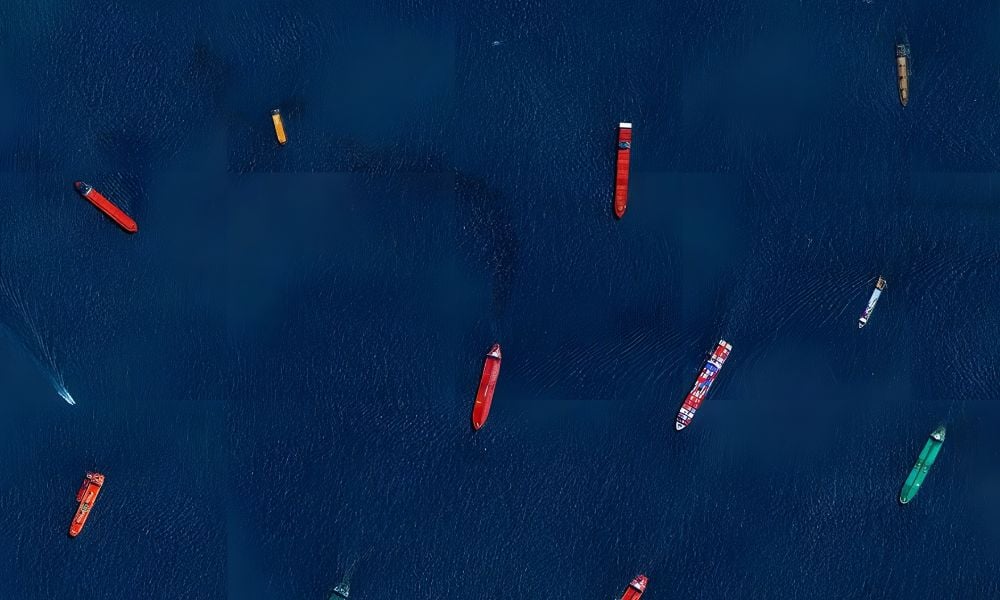
The shipping industry has undergone a fundamental transformation since Covid-19, breaking from decades of relative stability defined by steady trade flows and largely predictable operating conditions to become increasingly complex and volatile. Escalating geopolitical tensions, trade fragmentation, and growing uncertainty around strategic maritime chokepoints have introduced systemic risks into global supply chains, while extreme volatility in bunker fuel prices, congestion at critical ports, and climate-driven disruptions are pressures which are compounded by decarbonization challenges, sharply rising vessel costs, and accelerating fleet renewal demands. Taken together, these forces are not cyclical but structural - fundamentally reshaping the industry’s operating model and ushering in a new era in which maritime trade is more complex, capital-intensive, and risk-exposed than at any point in recent decades.
Reshaping of sector forces set to persist
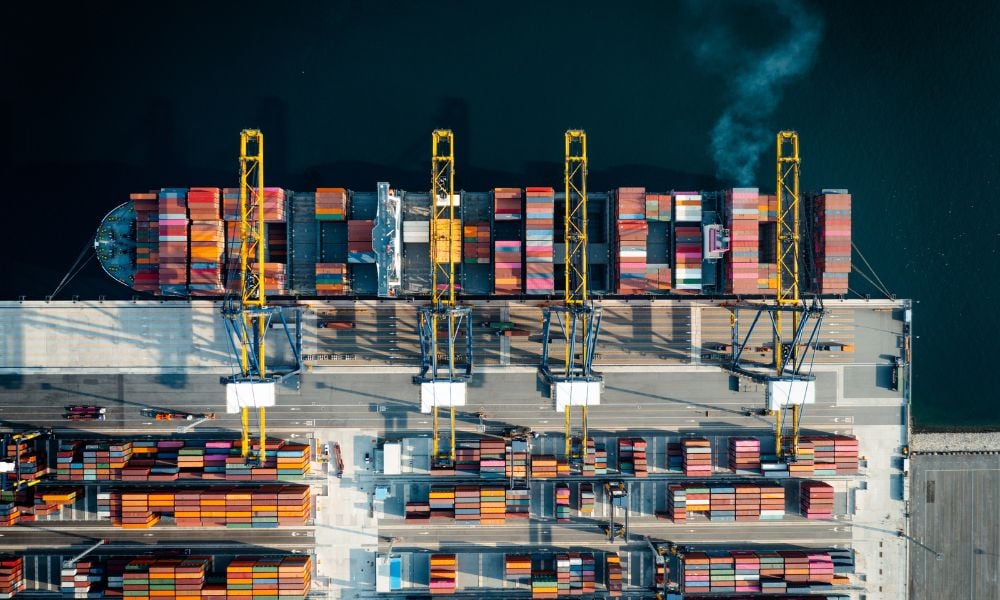
The shipping industry is unlikely to revert to the relatively stable, efficiency-driven paradigm that characterized the pre-Covid-19 period. Instead, many of the structural forces that have reshaped the sector in recent years are expected to persist. Geopolitical fragmentation, the growing vulnerability of maritime chokepoints, and a more transactional approach to the provision of security are likely to sustain elevated levels of operational risk and route uncertainty. At the same time, regulatory pressures – particularly those linked to decarbonization – will continue to impose additional costs and accelerate technological transition across fleets. While global trade volumes are expected to expand over the medium term (but will be limited in the short term) this growth will likely be more uneven and regionally fragmented, reflecting shifts in supply chains, nearshoring trends, and evolving trade alliances.
Looking ahead to a “new equilibrium”
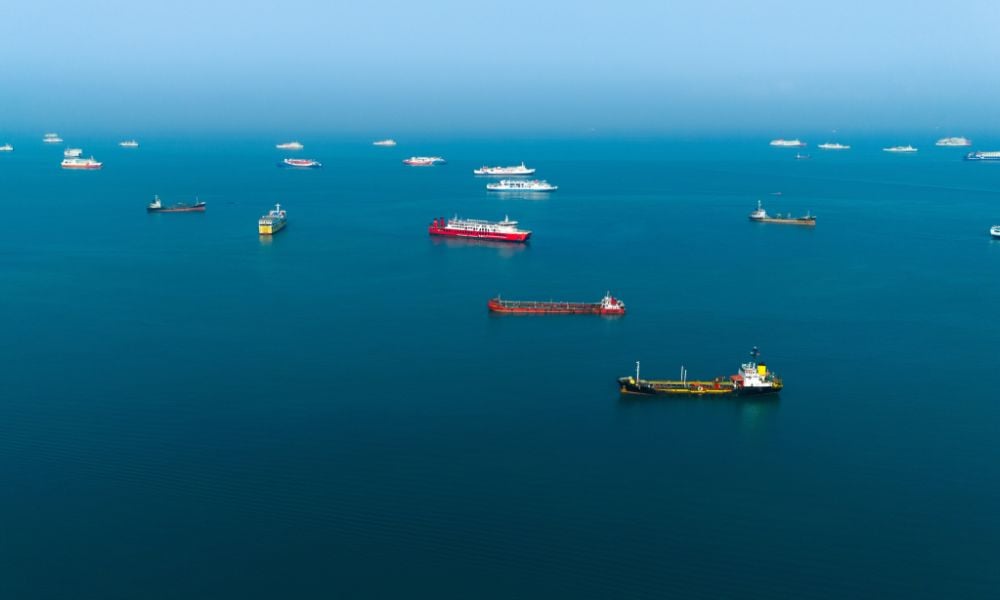
The industry outlook is best characterized by structurally higher volatility combined with selective areas of opportunity. Freight markets are expected to remain sensitive to exogenous shocks, including geopolitical disruptions, energy price fluctuations, and policy changes, limiting the likelihood of a sustained return to historically low and stable freight rates. However, this more complex environment may also support greater earnings resilience for well-positioned operators. The ongoing capital expenditure cycle, coupled with constrained shipyard capacity, could further underpin market tightness in certain segments. Overall, rather than a normalization, the sector appears to be transitioning toward a “new equilibrium” defined by persistent uncertainty, higher risk premia, and a greater strategic emphasis on resilience over pure cost efficiency.
War and geopolitical risks
Crews in crisis again
Conflict in the Middle East paralyzed the Strait of Hormuz, a critical global oil trade route, exposing thousands of vessels and 20,000 seafarers, causing severe disruptions to vessel operations, supply shortages, and severe mental strain for those crew enduring months on board facing threat of attack. The psychological impact of the conflict adds to pressures already inflicted by the Covid-19 pandemic, attacks against shipping in the Red Sea, piracy threats, and the rise of the shadow fleet – crews that work on such vessels are more likely to face challenging conditions. Meanwhile, seafarer abandonments have risen for six years straight – a record high of more than 6,000 were left stranded last year. The shipping industry will struggle to retain and recruit seafarers at a time of growing demand for skilled workers, driven by automation and green transitions, ultimately threatening the sector’s resilience and global supply chain stability.
Insurers count cost of damage and trapping risks
The Middle East conflict and the Strait of Hormuz blockade have caused extensive damage to vessels, cargo, and port infrastructure. Insurers face claims under marine coverages for damage to vessels including container ships, oil tankers and bulk carriers from missiles and drones in the region, as well as related damage to cargo.
Marine insurers have supported the shipping industry throughout the conflict with continuity of insurance cover, albeit at increased premiums. However, for shipowners, the issue has been more about the risk to the crew and the vessel of transiting a conflict zone, rather than insurance considerations. Even when the Strait of Hormuz reopens properly, solid assurances of safe passage will be required, involving the international community, particularly if traffic is to return to its pre-war levels, of as many as 140 vessels a day.
Blockade signals a profound shift in the maritime order
The unprecedented closure of the Strait of Hormuz raises concerns about the future of global maritime trade. Historically open even during conflicts like the Iran-Iraq war during the 1980s, its blockade highlights the shipping industry’s increasing vulnerability to geopolitical tensions, as escalating security risks along strategic maritime corridors disrupt established trade routes, forcing rerouting and tightening effective vessel and commodities supply, which in turn has amplified supply chain pressures and reinforced persistent freight rate volatility.
As of June 15, 2026, Allianz calculates that around 1,150 cargo-carrying vessels (over 100GT), with a total volume of 29mnGT, were operating within Persian Gulf waters, representing an estimated combined vessel and cargo value in the range of US$125bn.
Strategically important shipping routes and infrastructure are increasingly seen through the lens of national rivalries, while many countries are looking to expand their naval capabilities to protect critical supply chains and routes. The reported proposals to impose transit fees on vessels passing through the Strait of Hormuz also signal a potentially profound shift in the global maritime order.
While any direct cost impacts on shipping and oil transport would be significant, the deeper implication lies in the normalization of “tolling” strategic waterways, where access could be priced, tiered, or politically conditioned. Most importantly, the emergence of such ideas – particularly if coupled with a more transactional US security posture – risks setting a precedent that could extend beyond Hormuz to other global maritime chokepoints, fundamentally reshaping global trade by turning freedom of navigation into a commodified and contested service rather than a shared international principle.
Resilience and political alignment are the new watchwords
Navigating the matrix of geopolitical issues – from tariffs to regional conflicts and regulation – is the number one issue for shipowners and cargo operators going forward. The increasingly volatile and disruption-prone nature of global shipping trade routes is reinforcing the need for greater operational resilience and companies are shifting from "just-in-time" to "just-in-case" supply chains, prioritizing resilience over cost efficiency, The Middle East conflict and Strait of Hormuz closure underscore the need for politically-aligned partners and adaptable strategies. Shippers must demonstrate reliability despite disruptions, while rerouting supply chains to mitigate risks. The industry must balance resilience, geopolitics, and efficiency in an increasingly unpredictable world, where the cost of uncertainty is reshaping trade dynamics.
Future claims impact from inflation and maintenance
The conflict in the Middle East will likely have indirect implications for marine insurance claims, particularly with regards to inflation, and machinery breakdown and maintenance issues. Even before the outbreak of the conflict, average hull claim costs were projected to increase by as much as 20% over the next five years with claims costs per vessel already 33% above pre-Covid-19 levels. Many of the factors driving marine hull and machinery claims inflation in recent years have not gone away, including shortages of skilled labor, long lead times for repairs and spare parts, increased values, high energy and material costs, such as for steel, and limited capacity at shipyards due to high demand for new vessels and retrofitting.
As seen with the Covid-19 pandemic and the Russia / Ukraine war, supply chain disruption can drive claims inflation through longer repair times and higher repair costs. At the same time, the Middle East conflict is expected to drive higher inflation as increased energy costs impact manufacturing and transport. Trapped vessels, unable to adhere to maintenance schedules, may face heightened risk of machinery breakdown, while any delays with spare parts will compound challenges for insurers and the shipping industry.
Trapped vessels at higher risk of biofouling
Ships stranded in the Persian Gulf’s warm, shallow waters have become increasingly vulnerable to biofouling, where marine life accumulates on hulls, causing drag, reduced speed, and higher fuel consumption. Severe cases can render vessels inoperable.
Arctic shipping: interest grows, but region remains higher risk for shipping
Outside the Middle East, another area of interest is the Arctic, the economy of which has surged, tripling in size since 2003 to more than US$650bn, driven by resource extraction, trade route development, and increased investment, particularly from Russia. In 2025, the Northern Sea Route (NSR) saw record activity, including the first China-Europe container ship transit, halving typical Suez Canal voyage times. However, Arctic shipping can pose significant risks due to harsh conditions and limited infrastructure. Allianz analysis show that machinery damage or failure is the cause of almost half of the 500+ reported shipping incidents in Arctic Circle waters over the past decade. At the same time, territorial disputes and sanctions can complicate operations.
GNSS jamming and spoofing raises risk of collision and grounding
Ships navigating conflict zones, and increasingly trade lanes, face growing risks from Global Navigation Satellite System (GNSS) interference, including GPS jamming and spoofing. Although jamming does not mean a vessel is sailing blind, such disruptions can compromise critical systems like navigation, AIS (Automatic Identification System), and safety equipment, potentially increasing collision and grounding risk in busy shipping lanes. GPS interference was cited as a factor in recent vessel collision and grounding incidents. In addition, the manipulation of AIS signals and data has led to incidents of falsified vessel locations, complicating issues such as sanctions compliance.
Hull and cargo risks
Fires on board large vessels drive severity losses
Fires on large vessels, including container ships and car carriers, remain a major concern. There were more than 200 reported fire incidents during 2025, down on 2024, but still representing the second highest total over the past decade. Larger vessel sizes can amplify risks, with overwhelmed crews often abandoning ship before salvage teams arrive. The increased size of vessels is also driving a trend for a rise in general average claims, where the shipowner and cargo interests share losses or expenditure to save the whole venture in an emergency. Such claims are typically complex and large. Contributions to cover losses can be as high as 50% of the cargo value, which if a vessel is carrying a few thousand electric cars, for example, could easily be in excess of US$100mn.
The presence of lithium-ion batteries, typically found in electric cars and consumer goods transported in shipping containers, has been linked to several large fire claims handled by insurers. Global lithium-ion battery deployment in 2025 was six times as high as just five years earlier. Demand for the storage device is expected to double by 2030. While battery technology is inherently safe, damaged batteries can lead to large fire losses on board vessels or in storage. As battery use surges, updated safety standards, vessel design improvements, and stricter regulations will need to keep pace if this issue is not to continue to challenge the industry.
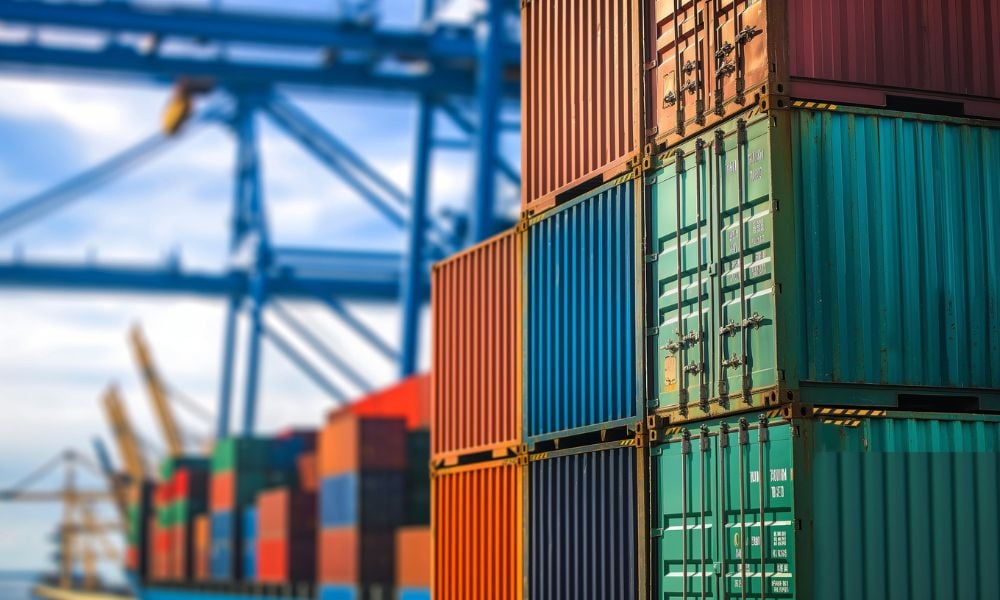
Mis-declared cargo a leading fire contributor but new tech solutions a step in the right direction
Mis-declared cargo, such as batteries or chemicals, remains a major contributor to container ship fires – a quarter of cargo-related incidents, according to reports. Failure to properly declare, document and pack such hazardous cargo can result in containers stowed inappropriately, or hamper firefighting efforts. The easiest way of sending cargo may not be the safest. Technology solutions are now helping shipping companies identify mis-declared or incorrectly labeled cargo – the World Shipping Council and National Cargo Bureau’s cargo safety program leverages AI to screen millions of container bookings globally, offering a critical step forward in addressing fire risks in the shipping industry.
Aging vessels bring safety issues
The average age of the global shipping fleet rose to 23 years in 2025. Vessels 20 years or older now account for almost a quarter of the global container ship fleet, the highest proportion in decades, as geopolitical volatility and limited shipyard capacity delay fleet renewal, despite shipowners being under pressure to scrap older vessels and replace them with new, more efficient, safer and compliant ships.
Older vessels can pose significant safety risks at sea, with vessels over 20 years old accounting for over half of all safety incidents. As ships age, the likelihood of incidents increases due to structural, mechanical, and technological obsolescence, creating risks for crew, cargo, and the environment.
Non-OEM parts raise fears of blackouts
The increasing use of non-original equipment manufacturer (OEM) parts for vessel repairs and maintenance, driven by cost pressures or limited OEM part availability, may heighten the risks of blackouts, where a vessel suddenly loses power when at sea. Typically, backup equipment and contingency plans should restore power for critical equipment within minutes, but this is not always the case and blackouts can lead to catastrophic incidents, particularly in busy shipping lanes or ports. In 2024, the container ship Dali suffered a blackout caused by a loose wire, resulting in a fatal collision with a Baltimore bridge.
Organized crime groups harness technology to drive rise in cargo theft and fraud
Cargo theft is becoming increasingly sophisticated, with organized gangs leveraging cyber tools and intelligence to target high-value goods and supply chain vulnerabilities. Over a two-year period, nearly 160,000 cargo crimes were recorded globally, with losses in the billions of euros, while Allianz analysis shows a five-fold increase in cargo theft losses dating back to late 2022. Strategic thefts like fake carriers and fraudulent pick-ups are on the rise. Criminals use falsified documents and cyber fraud to impersonate legitimate carriers. In light of the significant increase in incidents there is a need for advanced anti-theft technologies, including 24/7 monitoring and cargo recovery, to combat evolving threats.
Climate transition risks
Shipowners face uncertainty after net zero drive delay
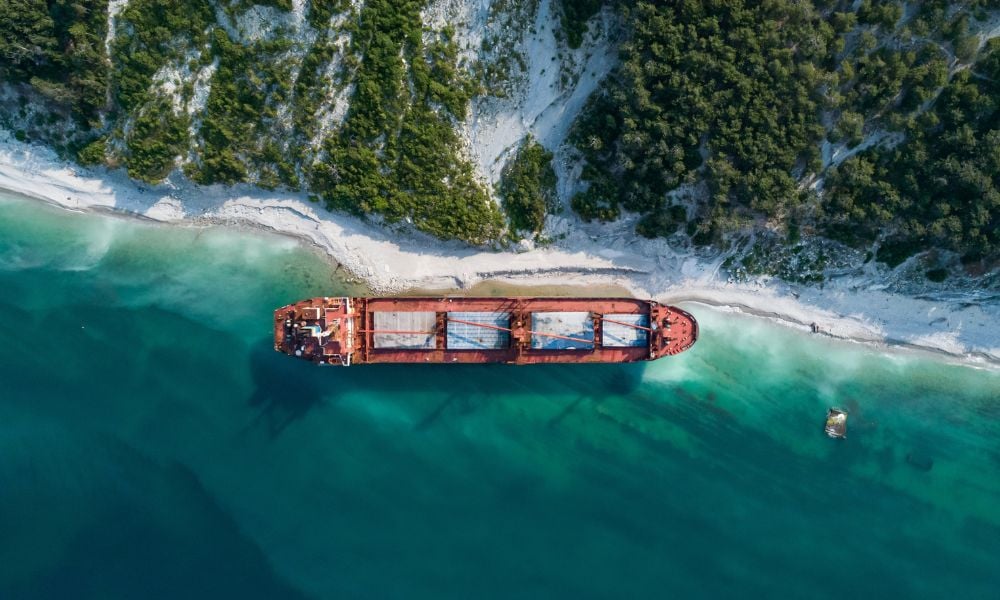
Progress on the International Maritime Organization’s (IMO) greenhouse gas (GHG) reduction framework stalled at the end of last year after a number of countries opposed its adoption. Any ongoing uncertainty may delay investments in greener vessels and create regulatory fragmentation, industry division, and lost momentum on sustainability if different nations pursue different rules. Conversely, rising oil prices, driven by geopolitical tensions in the Strait of Hormuz, could renew focus on energy security and the net zero transition.
Urgent need for regulation and liability framework of alternative fuels
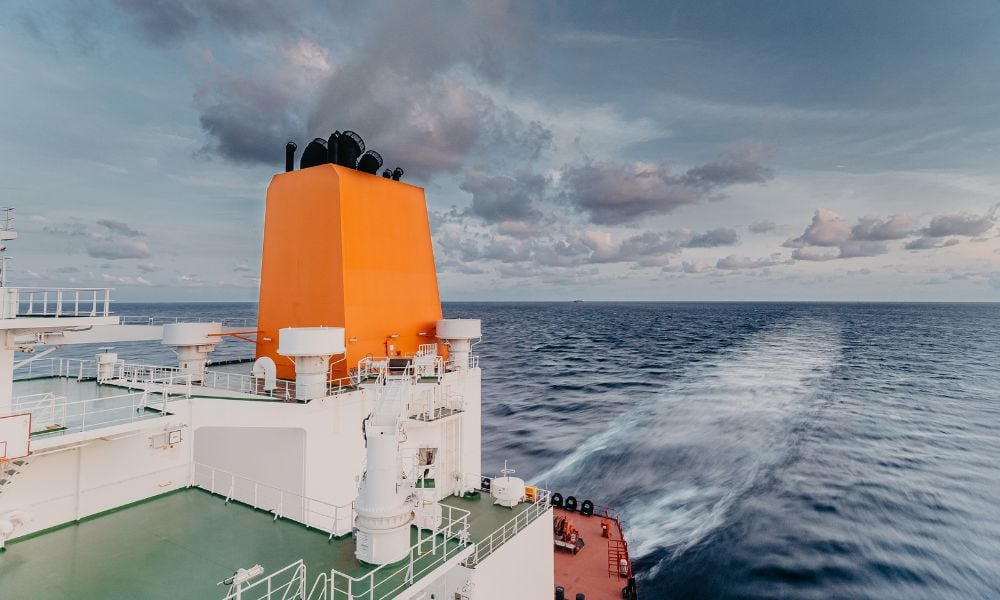
The adoption of low and zero-emission fuels in shipping is accelerating, with more than 50% of container ships on order in August 2025 capable of using alternative fuels, such as liquefied natural gas (LNG). However, regulatory and liability frameworks lag behind, creating uncertainty for shipowners when it comes to investing in more sustainable vessels, as well as for insurers. Alternative fuels pose different risks compared to conventional oils. For example, ammonia has zero emissions when used as fuel, but it is also toxic and corrosive, requiring specialized handling systems and crew training.
Dual fuels run increased risk of human error
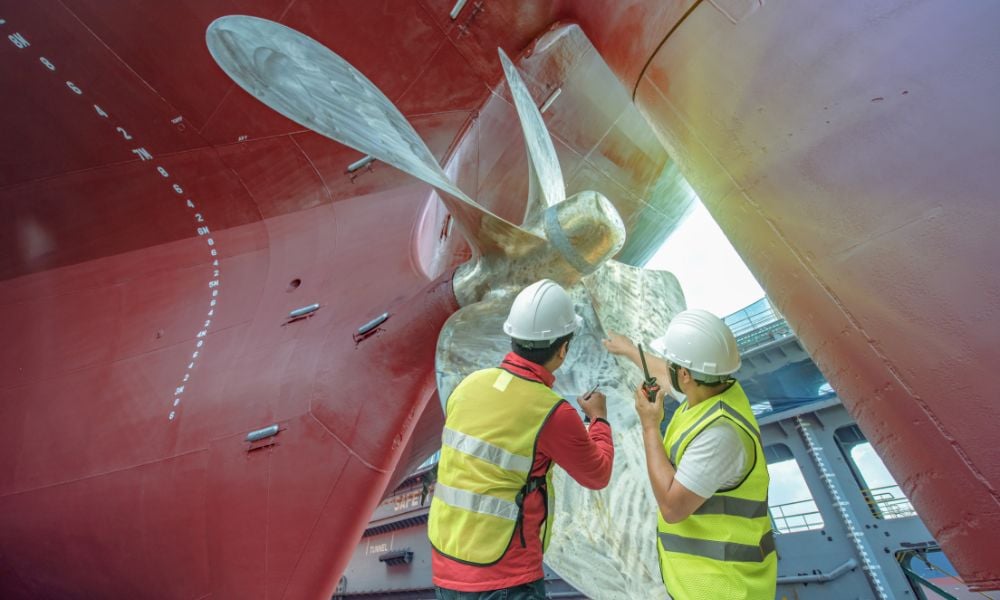
The number of dual fuel ships able to run on low-emission fuels has increased dramatically in recent years, with the number of such vessels in operation doubling since 2024. However, the operation of dual fuels can be more complex than traditional heavy fuel and therefore can be more susceptible to claims activity such as machinery breakdowns if crews have not had sufficient training or are unfamiliar with necessary procedures.
Maritime trends to watch in 2026 webinar
On July 1, we hosted a webinar, focusing on the latest trends in the maritime industry.
Our leading experts provided a shipping forecast, discussed the geopolitical risks, and shared insights into hull and cargo developments. The session also included marine insurance implications for 2026 and beyond. The one-hour webinar concluded with a live Q&A session.
Our experts
Allianz Commercial's insurance experts around the world provided their insights and knowledge to this report.




Justus Heinrich
Global Product Leader Marine Hull, Regional Head of Marine Germany & Switzerland



All the latest news, reports and hot topics












Sign up to the newsletter
Keep up to date on all news and insights from Allianz Commercial