
Amid reports that the Northern Sea Route will see its first Panamax container vessel transit later this year, Global Risk Dialogue looks at the main causes of shipping incidents in Arctic waters.
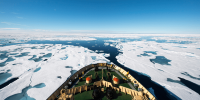
Loss log: Arctic shipping
Expert risk article | June 2024
The number of vessels sailing in Arctic waters continues to rise with growing commercial interest in the region, and climate change. The number of unique ships entering the Arctic Polar Code area from 2013 to 2023 increased by 37%, around 500 ships, according to the Arctic Council [1]. Later this year, the Northern Sea Route [2] is slated to see its first-ever Panamax container vessel after a 5,000 teu box ship received a permit to transit what is one of several Arctic shipping routes.
Challenging Arctic conditions can pose different risks to vessels, crews, and the environment, however. Waters can be harsh, with the threat of sea ice and hazardous weather, while the region’s remoteness means limited access to infrastructure if a vessel runs into problems. For example, a cruise ship that ran aground in Greenland in September 2023 could not be towed free for three days [3].
Allianz Commercial analysis of shipping incidents in Arctic waters over the past decade (January 1, 2014, to December 31, 2023) shows there have been more than 500 (531) reported during this period (see graphic), with 50 occurring in the last year. The harsh operating environment means machinery damage/failure is the most frequent cause of incidents, accounting for almost half of this total (261).
Top 5 causes of shipping incidents in Arctic waters
531 in total from January 1, 2014, to December 31, 2023. Vessels over 100GT only.
Source: Lloyd’s List Intelligence Casualty Statistics. Data analysis and graphic: Allianz Commercial.
References
[1] Arctic Council, Arctic shipping update: 37% increase in ships in the Arctic over 10 years, January 31, 2024
[2] gCaptain, Arctic shipping route to see first-ever Panamax container ship, May 20, 2024
[3] BBC, Greenland cruise ship pulled free after three days stuck in the mud, September 14, 2023
Image: Silver / Adobe Stock
This article is taken from the latest edition of Allianz Commercial's biannual client publication, Global Risk Dialogue, which features a number of insights on risk management and insurance topics around the world.
All the latest news, reports and hot topics














Sign up to the newsletter
Keep up to date on all news and insights from Allianz Commercial