
Article | January 2025
Allianz Risk Barometer 2025 -
Global risk #2: Business interruption (31%)
Business interruption ranks #2 in the Allianz Risk Barometer, meaning it has appeared in the top two risks for the past 10 years.
This article is part of the top global risks overview of the Allianz Risk Barometer 2025
Interconnectivity drives BI concerns
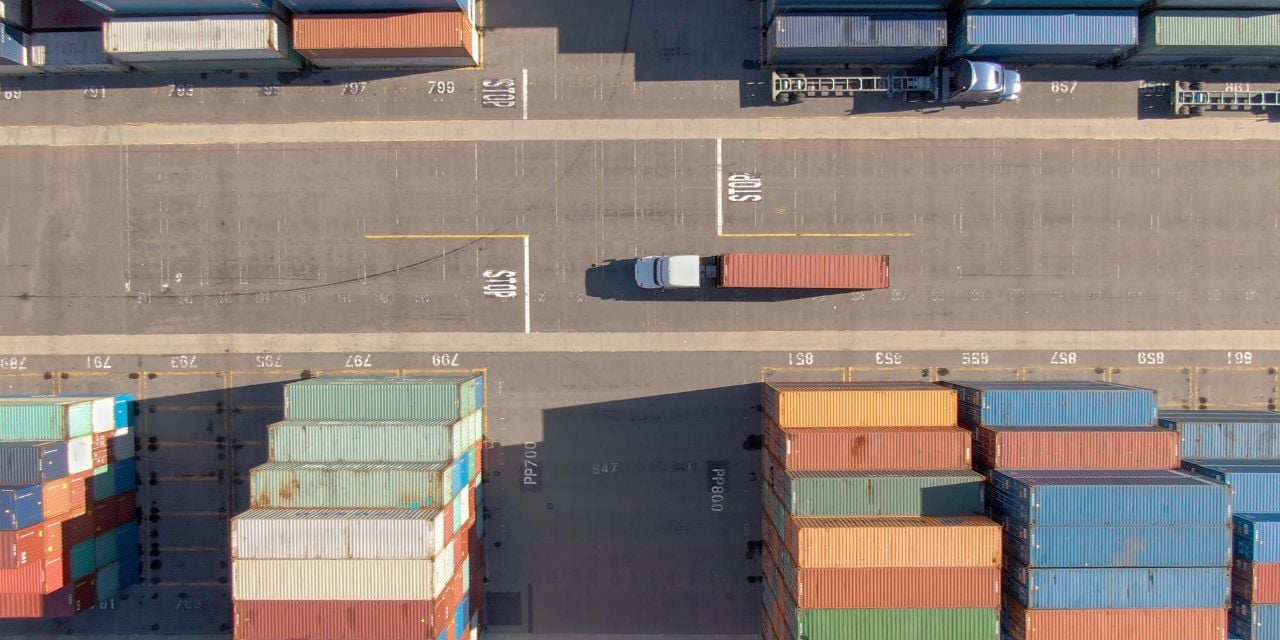
Business interruption (BI) has ranked either #1 or #2 in every Allianz Risk Barometer for the past decade. Its persistence at the top reflects severe supply chain disruption during and after the pandemic. Closely aligned with many of the other top risks in the Allianz Risk Barometer, BI is typically a consequence of events like a natural disaster, a cyber attack or outage, insolvency or political risks like conflict or civil unrest.
This year it is the new top risk in the Asia Pacific region and is the most important risk in 12 countries and territories including seven where it is a new top risk for 2025 (Austria, China, Hong Kong, Indonesia, Mexico, Philippines, and Sweden). It is also the top risk for 11 industries, including food, consumer goods, hospitality, heavy industry, energy, transport and manufacturing.
Cyber incidents and natural catastrophes are the two BI exposures companies fear most, according to respondents followed by fire, machinery breakdown and supplier failure. The push for technological advancement and efficiency is affecting the resilience of supply chains. Nowadays, a failure or disruption in any segment of a supply chain tends to be more severe, leaving minimal time to respond, says Michael Bruch, Global Head of Risk Advisory Services, Allianz Commercial.
“Automation and digitization have significantly accelerated processes, which can sometimes overwhelm individuals due to the rapid pace and complexity of modern technology. While many organizations strive to implement comprehensive strategies for disaster recovery and business continuity, there remains a concern that contingency plans themselves may be overly dependent on technology, highlighting the need for diverse and adaptable solutions.”
There were several large supply chain disruption events in 2024, including the CrowdStrike IT outage in July, one of the largest to date. A faulty update to CrowdStrike’s security software affected computers running Microsoft Windows, reportedly costing Fortune 500 companies over US$5.4bn, with insured losses of $540mn to $1bn [1].
Overview
Business interruption (incl. supply chain disruption)
Ranking history:
- 2024: rank 2
- 2023: rank 2
- 2022: rank: 2
- 2021: rank 1
- 2020: rank 2
Top risk in:
- Austria
- Canada
- China
- Hong Kong
- Indonesia
- Malaysia
- Mexico
- Netherlands
- Philippines
- Singapore
- South Korea
- Sweden
Which causes of business interruption do companies fear most? (Top 5 responses)
Source: Allianz Commercial.
Figures represent how often a risk was selected as percentage of all responses. Respondents: 1,177. Figures don’t add up to 100% as up to three risks could be selected.
Figures represent how often a risk was selected as percentage of all responses. Respondents: 1,177. Figures don’t add up to 100% as up to three risks could be selected.
“Last year’s outage affecting CrowdStrike and Microsoft users was a reminder that IT and software supply chains can go down, and when they do, it can have a global impact,” says Rishi Baviskar, Global Head of Cyber Risk Consulting, Allianz Commercial.
“Our reliance on technology companies for infrastructure, software, and services is increasing, and we can expect more disruptive events like CrowdStrike to happen in the future. And with AI and generative AI, our dependency on a relatively small number of technology providers will intensify.”
Concern for BI is also being driven by supply chain disruption and geopolitical risks. Supply chain disruptions with global effects occur approximately every 1.4 years, and the trend is rising, according to a white paper from Circular Republic, in collaboration with Porsche Consulting [2], Allianz and Agora Strategy. Those disruptions cause major economic damages, ranging up to 5% to 10% of product costs and additional downtime impacts.
Major disruption to shipping and transport is also seen as a higher risk for BI in 2025 than in previous Allianz Risk Barometers, reflecting disruption brought by Yemen’s Houthis in the Red Sea, and restrictions on transits in the Panama Canal due to drought conditions.
With 90% of global trade conducted by sea, disruption can have substantial economic consequences. The six-day blockage of the Suez Canal by the Ever Given container ship in 2021 is estimated to have cost as much as $60bn [3].
Climate change reaches new high
Climate change moves up two positions into the top five global risks at #5, its highest ever position, while the closely interlinked peril of natural catastrophes remains at #3.
There has been a renewed focus on this risk, and natural catastrophe risk management, after they dropped down the ranking during the pandemic years as companies had to deal with more immediate challenges.
2024 was another year of extreme weather and new climate records. Last year is expected to be the hottest year on record as warming hit 1.5°C, according to the WMO [4]. With an active hurricane season, severe thunderstorms and floods impacting the US, Canada, Spain, Central Europe, United Arab Emirates and Brazil, it was also the fifth year in a row in which insured losses from natural disasters worldwide exceeded the US$100bn mark.
“What we are seeing is a complex picture of climate change linked to natural disasters and physical hazards. For example, hurricane Beryl in 2024 was the first Category 4 storm to form in June, and the earliest forming Category five on record. Climate change has also exacerbated the effects of the extreme flooding that hit southern Spain last year,” says Mabé Villar Vega, Senior Catastrophe Risk Research Analyst, Allianz Commercial.
In addition to climate change, natural catastrophe losses are also affected by other factors, such as claims inflation, higher value assets, population changes and resilience: “While climate change may only be partly responsible for what we are seeing, with an increase in the frequency and severity of extreme events, it is making things more unpredictable,” says Villar Vega.
The natural hazard risk landscape has also undergone a significant transformation. Traditional primary perils like earthquakes and tropical cyclones are no longer the predominant threats. Instead, secondary perils, including hail, floods, storms, and wildfires – all of which have a discernible link to the changing climate – have taken center stage. Severe convective storms caused $50bn of insured damage in the US alone during 2024 [5].
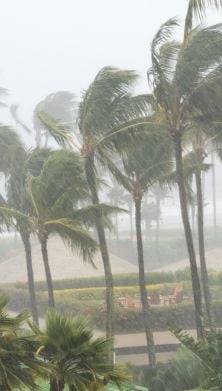
The 2024 hurricane season, which saw five hurricanes make landfall in the US, including Milton and Helene, highlighted the severe impacts of strong winds, storm surges and the growing threat of inland flooding. Over the past decade, heavy rainfall and the associated flooding have emerged as one of the most deadly and costly aspects of hurricanes, emphasizing the need to prioritize these secondary perils in risk assessment and planning.
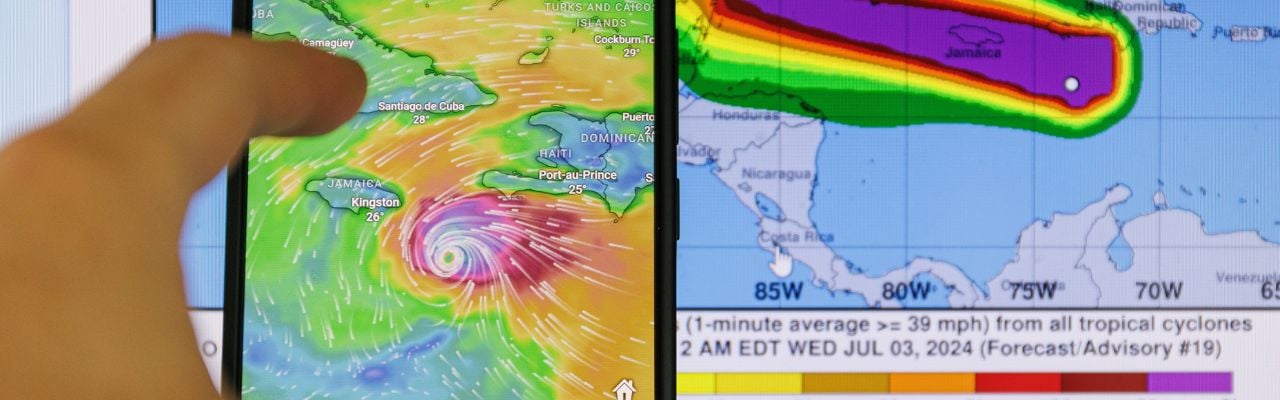
Physical damage and business interruption are the two major impacts of climate change that companies fear most, according to Allianz Risk Barometer respondents. Meanwhile, managing climate change transition risk (e.g., decarbonization and net zero strategies) ranks as the environmental, social, governance (ESG) and sustainability risk trend of most concern to companies for the first time, with the sheer volume of regulations, policy uncertainty and problems with data transparency cited as being among the most significant challenges.
Combating climate change is the biggest challenge for society, according to Daniel Muller, Emerging Risks and Trends Manager, Allianz Commercial: “Every action we take has an impact. To reduce greenhouse gas emissions, we must collectively change our behaviors, such as reducing waste, conserving energy, and adopting sustainable practices.”
The world has long passed the point where a smooth transition is possible to achieve the Paris goals and keep the rise in global temperature below 1.5C. Consequently, trade-offs between affordability and insurability are becoming more challenging.
“The burden of natural disasters will increasingly fall on governments and taxpayers in areas prone to costly hurricanes, storms and floods. Climate change raises critical questions about the insurability and affordability of coverage for frequent or likely events. Therefore, the focus must urgently shift to loss prevention and mitigation, involving governments, insurers, and communities,” says Muller.
On a positive, note the Allianz Risk Barometer results show that awareness among businesses of the need to deploy climate resilience measures, which can include a mixture of physical measures, nature-based solutions and behavioral change is growing, given they can help safeguard business operations and contribute to a more sustainable future.
The same applies to considering nature risk, which refers to the potential negative impacts on businesses, economies, and societies that arise from degrading natural ecosystems, biodiversity loss, and the decline of ‘ecosystem services’. Growing awareness is driven by the mounting costs firms face from regulatory compliance on disclosing physical climate risks, as well as operational disruptions caused by more extreme weather events and ecosystem degradation.
Yet many companies still underestimate the impact of chronic perils (such as drought) because their impact is more gradual. Similarly, the impact of climate change on aging and interdependent infrastructure can also be underestimated, as can the impact of extreme heat on the workforce, for example disrupting labor, explains Lena Fuldauer, Global Sustainability and Resilience Solutions Lead at Allianz Commercial.
Political risks and violence remain high on the radar
Despite ongoing geopolitical and economic uncertainty, political risks and violence drop one place to #9 year-on-year, albeit with the same share of respondents as 2024. At the same time, it ranks as a more concerning risk for large companies, up to #7, while it is also a new entry into the top 10 risks for smaller companies at #10. Companies in countries such as France, Italy and the UK (where it is a top five risk in all three countries) regard this peril as a greater concern than in 2024.
The impact of civil unrest and riots is the political risk exposure companies fear most, given such events are becoming frequent, disruptive and costly. In addition to endangering the safety of employees and customers, those in the immediate vicinity of unrest can suffer business interruption losses and material damage to property or assets, while indirect damage can be inflicted on companies in the form of ‘loss of attraction’ or ‘denial of access’ to their premises.
The impact of war, and disruption to supply chains are other major concerns in the Allianz Risk Barometer, while terrorism and sabotage risks are also heightened.
Political risks are a multiplier for other risks, according to Michael Bruch, Global Head of Risk Advisory Services, Allianz Commercial: “Conflicts and geopolitical tensions have the potential to disrupt supply chains and cause physical damage. In export-driven economies like Germany, such geopolitical risks can significantly impact economic stability. However, these political risks can also create opportunities; some companies manage to adapt and continue operations effectively, leveraging new market conditions. While the geopolitical landscape is complex and trends can vary, businesses that are agile and resilient may find ways to thrive amidst these challenges.”
Political risks, be they trade disputes, civil unrest, or military conflicts, significantly challenge supply chain stability. High tech and green energy sectors, which have been the subject of trade wars and protectionism, are particularly at risk. For example, in 2023 China restricted the export of graphite, an essential component for lithium-ion batteries used in electric vehicles. Analysis by Allianz [6] and others shows that within the last decade export restrictions on critical raw materials increased by a factor of five. Some products in electric vehicles and consumer goods are as much as 91% dependent on China.
Resilience remains key in volatile risk landscape
Companies are most likely to consider developing alternative/ multiple suppliers when taking measures to de-risk their supply chains and make them more resilient, according to the Allianz Risk Barometer. A greater proportion of respondents than last year also cited geographical diversification of supplier networks in response to geopolitical trends.
“A circular economy can mitigate supply chain risks, but onshoring and insourcing everything is impractical due to cost and resource constraints. Managing supply chain risks also requires strategies like diversification, strategic partnerships, and technological innovation, creating more resilient and adaptable supply chains,” says Michael Bruch, Global Head of Risk Advisory Services, Allianz Commercial.
When it comes to mitigating the direct impact of climate change, adapting or increasing insurance protection, including alternative risk transfer, is the top action that companies are taking – the first time it ranks top. This is followed by adopting carbon-reducing business models and creating contingency plans for climate-related eventualities. More companies say they are investing in clean technologies to reduce emissions.
However, to keep insurance affordable, businesses must focus more on loss prevention and resilience. Allianz continues to invest in and expand its risk management and loss prevention services, with a dedicated climate risk engineering service and the development of climate adaptation and resilience tools.
Loss prevention is an increasingly important aspect of risk management, says Bruch. “Businesses are looking for more support from insurers across the risk management cycle. We have seen this clearly with cyber risks over the last few years, and increasingly it is the case for climate and transition risks. Loss prevention is key to these risks and insurers have an important role to play in developing solutions for new risks, like green energy and technology.
“For insurers this will mean more entrepreneurial risks, and less historical claims data with which to assess and price risk. But we can help clients understand the risks and take loss prevention and mitigation action, supporting the full cycle of risk management.”
The short-term nature of business decisions can make it difficult for risk managers to make the case for investments in resilience.
“Investments in protection and loss prevention in physical hazards and transition risks might not pay off for years, or even decades. We are developing tools that help businesses identify and quantify the risks of different climate change scenarios and help them decide where best to invest in resilience,” says Bruch.
“As an insurer, we are working to link resilience with underwriting and make it more tangible. We need to get better as an industry at incentivizing change in behavior and helping businesses and society build resilience.“
Which actions are your company / clients taking to de-risk supply chains and make them more resilient? (Top 5 responses)
Source: Allianz Commercial.
Figures represent how often a risk was selected as percentage of all responses. Respondents: 1,177. Figures don’t add up to 100% as up to three risks could be selected.
Figures represent how often a risk was selected as percentage of all responses. Respondents: 1,177. Figures don’t add up to 100% as up to three risks could be selected.
References
[1] Parametrix, CrowdStrike to cost Fortune 500 $5.4 billion; Insured loss range of $540 million to $1.08 billion
[2] Circular Republic, Porsche Consulting, Allianz, Agora Strategy, Circular Economy as an opportunity for resilient supply chains, October 14, 2024
[3] Circular Republic, Porsche Consulting, Allianz, Agora Strategy, Circular Economy as an opportunity for resilient supply chains, October 14, 2024
[4] World Meteorological Organization, 2024 is on track to be hottest year on record as warming temporarily hits 1.5°C, November 11, 2024
[5] Swiss Re, Hurricanes, severe thunderstorms and floods drive insured losses above USD 100 billion for 5th consecutive year, says Swiss Re Institute, December 5, 2024
[6] Allianz Research, Critical raw materials: Is Europe ready to go back to the future? August 1, 2023
Pictures: Adobe Stock, Shutterstock
Our experts






All the latest news, reports and hot topics










Sign up to the newsletter
Keep up to date on all news and insights from Allianz Commercial