
Report | July 2025

Hydrogen: opportunities, uses and risks in the energy transition
Hydrogen is set to play a central role in the energy transition. Innovative technologies are paving the way for green hydrogen to provide much needed solutions, especially for renewables, hard to abate industries and transport.
Promoted by government programs worldwide, hydrogen is predicted to play a leading role in the energy transition towards a low-carbon economy. As an alternative to fossil fuels, hydrogen solutions can help to tackle climate change in the future, helping many industries towards reducing their emissions.
While hydrogen offers clear benefits, the potential size and scope of the hydrogen economy will depend on a wide range of factors, including geopolitics, infrastructure development, policy and regulation, and, of course, the cost, relative to other sustainable alternatives. Hydrogen’s unique properties also bring challenging risks and hazards – notably fire, explosion and embrittlement – that will require stringent adherence to risk management and loss prevention to ensure safe operation.
Insurers have a key role to play in the development of the hydrogen economy, enabling investment and innovation, and providing risk management advice and guidance. The industry will need to develop tailored products to cover the construction, operational phases, and business interruption risks associated with hydrogen projects. As the hydrogen economy expands, insurers will need to scale up their operations and offer risk management expertise and services.
Investment in hydrogen projects requires careful financial risk assessment and de-risking strategies. Collaboration and knowledge sharing within the industry are essential for developing best practices and building expertise. By addressing these multifaceted challenges, the insurance sector can support the growth of the hydrogen economy and facilitate the global transition to net-zero emissions.
Demand surge expected
Hydrogen demand could increase fivefold by 2050, while clean production may rise to 60% by 2035, driven by significant investments and planned projects globally. Some 60 governments have now adopted hydrogen strategies with the number of projects increasing sevenfold to more than 1,500 in 2024 compared with 200+ projects three years earlier. Europe has the largest number (617), followed by North America (280). Europe also has the highest total investment (around US$200bn).
Future challenges and headwinds
While it holds much promise, the potential size and scope of the hydrogen economy will depend on a wide range of factors, including the evolving political, trade and economic environment, policy and regulation, demand, the development of safe infrastructure, and the cost, relative to both oil and gas and other sustainable alternatives. Technology and infrastructure will take time to develop, requiring significant government policy support and incentives. Production will need to be scaled up and made more competitive.
Risks and hazards
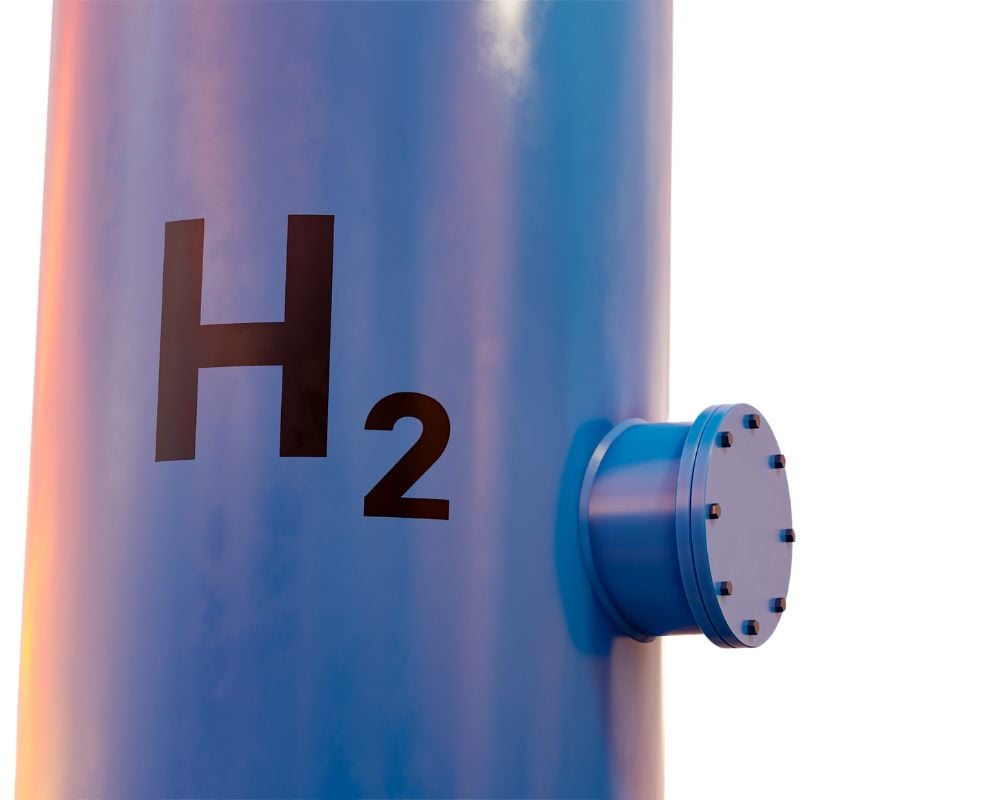
Hydrogen has been used in the chemical and refinery sectors for many decades, so the hazards of risks such as fire, explosion, and embrittlement – which can lead to cracks and leakages in pipelines and equipment for example – are well understood. Analysis of hydrogen-related incidents shows undetected leaks can lead to explosions. Integrating hydrogen into sectors such as energy and construction brings a range of challenges. Energy production facilities will involve hydrogen storage and high-temperature combustion, which can lead to leaks and explosions. In transport, applications like hydrogen fuel cell vehicles will also face risks of hydrogen embrittlement and leaks. In chemical feedstock and fertilizer production, safe storage and transportation are crucial to prevent contamination and explosions. In shipping, adapting engines for hydrogen is accompanied by the risk of machinery breakdown and the potential for safety issues, again from embrittlement, gas leaks, and explosions. Port operators, bunkering facilities and fuel handlers will need to manage highly flammable and cryogenic hydrogen fuels, bringing accident and contamination risks.
Evolving technology also poses challenges such as raising the risk of serial losses, where a common fault requires the replacement of equipment across a project or multiple projects. For example, a large hydrogen production facility could involve hundreds of electrolyzers, with the same design replicated at multiple plants. Serial defect claims have already been seen with wind turbines. As the hydrogen industry scales up, supply chains may come under increasing pressure, with the risk of capacity constraints, delays and longer lead-in times for replacement parts. At the same time, new start-ups, suppliers and contractors entering the market also pose challenges for companies and their insurers who have to assess their experience and capabilities.
Risk mitigation and loss prevention
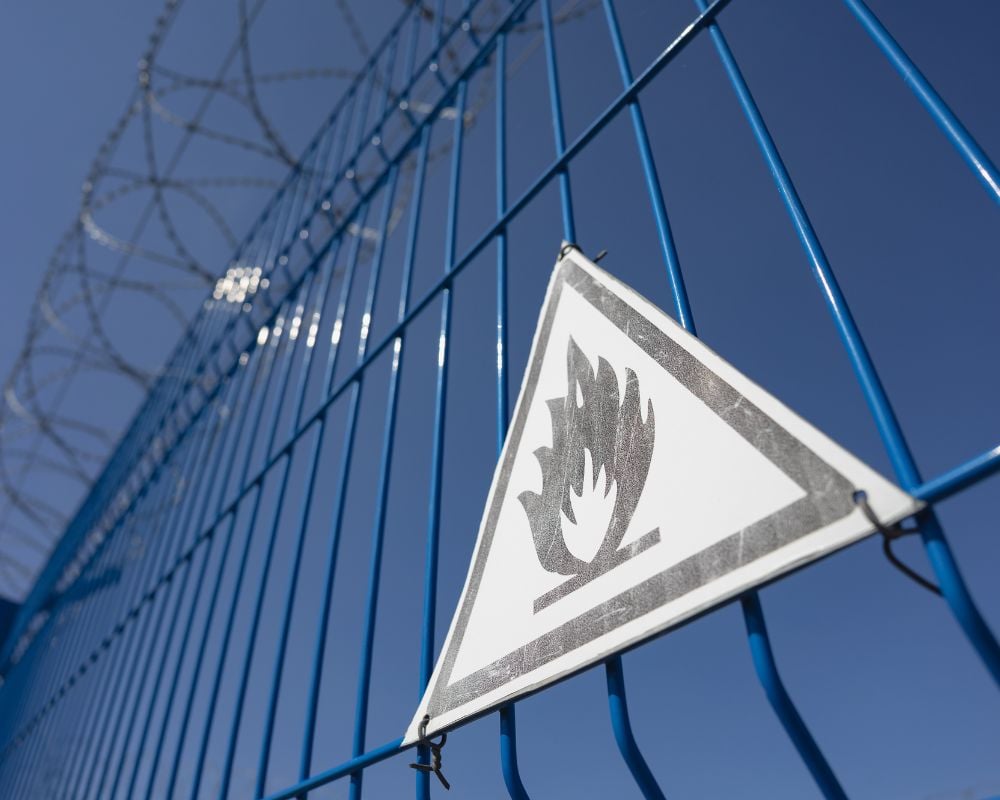
Across all industries, stringent safety measures will be vital to manage hydrogen’s inherent risks. Equipment design, maintenance and training can help prevent the escape of flammable hydrogen gas, while the risks of ignition can also be reduced by locating hydrogen facilities in the open, or within well-ventilated enclosed spaces with reliable ventilation, and through the design of electrical installations and surfaces to avoid sparks and the buildup of static electricity.
Embrittlement risks can be managed through material selection and the use of hydrogen-compatible materials and coatings that have been specifically designed to resist hydrogen embrittlement. Repurposed equipment will need to be assessed for embrittlement and may require modifications.
In addition to preventing incidents, organizations can take steps to limit the extent of property damage, business interruption and third-party liability. Buildings and facilities should be designed and constructed to withstand natural hazards, fire and explosion, and limit damage to adjacent property and equipment. Robust hydrogen leak detection and isolation systems are also paramount. Sensors are essential to detect leaks promptly, while the ability to shut off the supply of escaping hydrogen is crucial to mitigating the impact of fire and explosion.
Human error is also a common factor in large losses. Operational, safety, emergency procedures and training should be frequently updated and documented, while equipment should be clearly labeled. In addition, organizations should establish an incident/emergency response plan for accidental releases, establish specialist response teams, and ensure adequate fire protection resources are available. Organizations should also track and review hydrogen incidents and standards globally and update safety measures accordingly.
The crucial role of insurance
The insurance sector will play an important role in the hydrogen economy, addressing risks across the supply chain, from construction and production through to the end user. In addition, insurers such as Allianz also support the hydrogen industry through direct investments in tangible infrastructure projects, such as green hydrogen production plants.
As hydrogen becomes integrated into the global economy, the demand for comprehensive insurance coverage will increase and broaden, and the market could reach $3bn+ globally by 2030, although there are many factors which could impact this valuation. The construction of new hydrogen facilities and the repurposing of existing infrastructure will require specialized solutions, while existing property, liability and specialty coverages will need to be adapted for end-users with hydrogen exposures. Underwriters can provide a range of coverages including physical damage to assets and equipment, third party liability, machinery breakdown, business interruption, construction and marine insurance.
Given the wide reach of the hydrogen value chain and its potential uses, the implications for insurance could be far-reaching, touching on multiple sectors and lines of business over the next decade. From an exposure and potential claims perspective, however, energy/natural resources and liability are likely to see the biggest impact from hydrogen risks over the next five to 10 years, followed by property and marine.
Photo: Shutterstock
All the latest news, reports and hot topics














Sign up to the newsletter
Keep up to date on all news and insights from Allianz Commercial